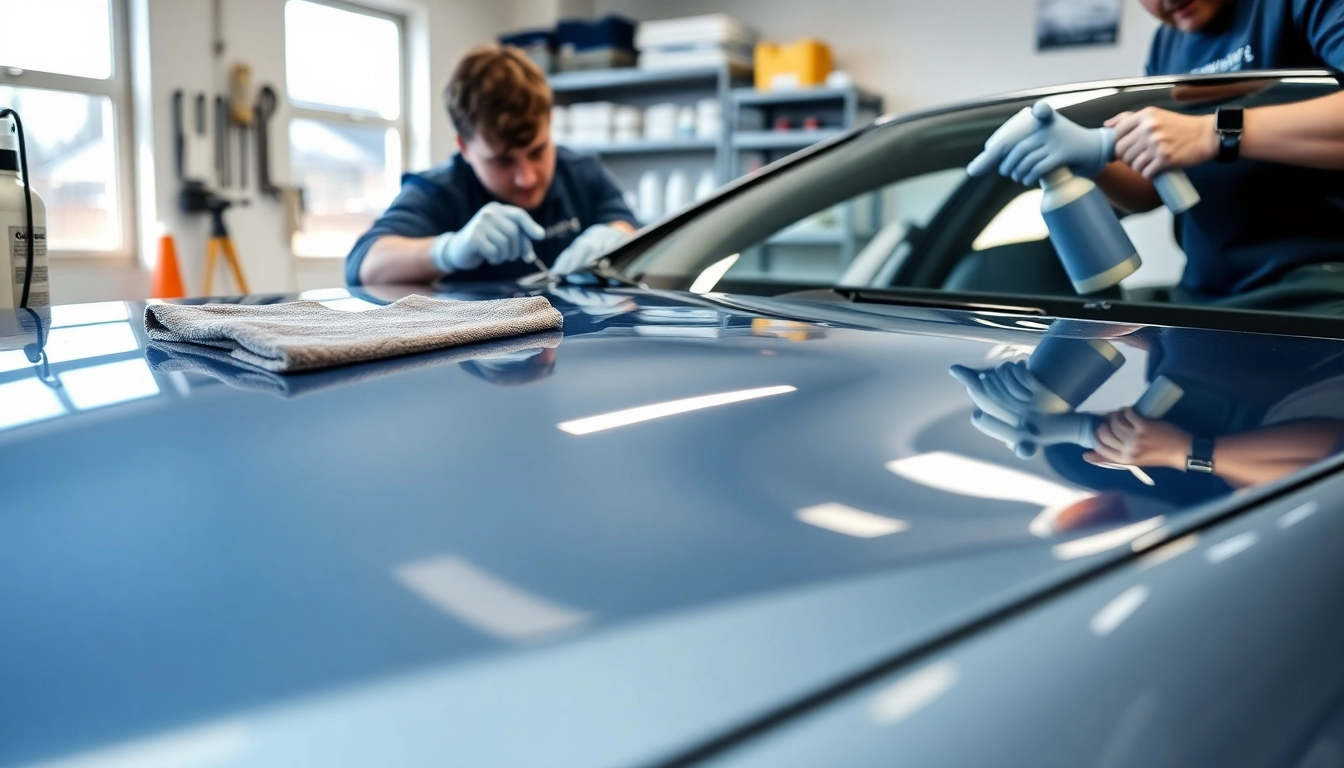
Understanding Salt Protection Ceramic Coating
As winter approaches or coastal environments become a regular feature in your driving habits, the need for advanced vehicle protection becomes apparent. One innovative solution that has gained popularity among car enthusiasts and casual drivers alike is the salt protection ceramic coating. But what precisely does it entail, and how does it provide an unparalleled level of defense for your vehicle against road salts and the harsh environmental factors they introduce? This article delves into the specifics of salt protection ceramic coating, exploring its benefits, application process, maintenance, and common misconceptions surrounding it.
What is Salt Protection Ceramic Coating?
Salt protection ceramic coating is a type of liquid polymer that is applied to the exterior surfaces of a vehicle. It bonds chemically with the factory paint, providing a durable protective layer. This coating serves multiple functions, but its primary role is to safeguard the vehicle's surface from corrosive elements—primarily road salts, which can lead to rust and deterioration, especially in winter months or seaside locales.
Unlike traditional wax, which provides only a temporary barrier, ceramic coatings are engineered to last for years, offering enhanced protection and significantly stronger resistance against environmental contaminants. This advanced form of paint protection is not merely a topical application but a chemical bond that can protect your vehicle’s finish from the damaging effects of salt, dirt, UV rays, and other harmful substances.
Benefits of Using Salt Protection Ceramic Coating
The adoption of salt protection ceramic coating comes with an array of benefits, transforming how vehicle owners preserve their automobiles. Here are some key advantages:
- Enhanced Durability: Unlike conventional wax or sealants, the ceramic coating offers a long-lasting protective shield that can withstand extreme weather conditions, high impacts, and corrosive substances.
- Hydrophobic Properties: Salt protection ceramic coating features water-repellent properties, causing water to bead and roll off the surface. This hydrophobic effect helps to prevent the accumulation of salt and dirt.
- UV Protection: The coating blocks harmful UV rays, preventing oxidation and fading of the paintwork, which is crucial for maintaining the vehicle's aesthetic appeal over time.
- Ease of Cleaning: The coating creates a smooth surface that makes washing and maintaining the vehicle significantly easier. Since dirt and grime have a harder time sticking, less effort is required to achieve a clean look.
- Cost-Effectiveness: While the initial application cost may seem high, the longevity and reduced need for frequent detailing or reapplication make it a cost-effective solution in the long run.
How It Works to Shield Your Vehicle
The science behind salt protection ceramic coating lies in its molecular structure. When applied, it forms a semi-permanent bond with the vehicle's paint. This bond creates a protective layer that is harder and more resilient than the paint itself, allowing it to absorb impacts and resist scratches.
Furthermore, the coating is made up of nanoparticles that fill the microscopic imperfections on the vehicle’s surface. This results in a smooth, glossy finish that not only enhances the car’s appearance but also contributes to the protective benefits. The result is an almost impermeable barrier against road salts, dirt, bugs, and various environmental pollutants, preserving the integrity and allure of your vehicle for years.
Application Process of Salt Protection Ceramic Coating
To achieve optimal results, the application of salt protection ceramic coating must be performed meticulously and expertly. Below is a detailed outline of this process, which includes the necessary preparations, application steps, and post-application care.
Preparation of the Vehicle Surface
Preparation is arguably the most crucial step in the application of a ceramic coating. A poorly prepared surface can lead to compromised adhesion and reduced effectiveness of the coating. Here’s how to ensure proper preparation:
- Thorough Washing: Begin with a complete wash to remove dirt and debris. Be certain to use a pH-neutral shampoo to avoid damaging the paint.
- Decontamination: Using a clay bar, the paint surface should be cleaned further to eliminate bonded contaminants such as tar, tree sap, and industrial fallout that remain after washing.
- Paint Correction: If necessary, any existing scratches, swirls, or blemishes should be rectified using the appropriate polishing techniques. This ensures that the surface is as flawless as possible before applying the coating.
- Surface Drying: Finally, make sure the surface is completely dry before applying the coating—any moisture can lead to improper bonding.
Steps to Properly Apply the Coating
Once the vehicle is prepared, follow these steps to apply the salt protection ceramic coating effectively:
- Sectioning: Work on one section of the vehicle at a time to ensure even application and prevent premature curing of the product.
- Application: Using a microfiber applicator, apply the coating in overlapping passes to ensure full coverage. The recommended thickness can vary based on the product and manufacturer guidelines.
- Buffing: After allowing the coating to set for a specified amount of time, use a clean microfiber towel to buff the surface and remove any excess product, ensuring a polished finish.
- Final Inspection: Inspect the area for any high spots or uneven sections, correcting them as needed to maintain a uniform appearance.
Drying and Curing Times Explained
The curing process is vital for the effectiveness of the coating. Here’s a breakdown of typical drying and curing times:
- Initial Drying: Generally, the coating will dry to the touch within a few minutes, but it's essential to refrain from any water exposure during this early phase.
- Curing Time: Full curing can take anywhere from 24 to 72 hours, based on environmental conditions and the specific product used. During this time, avoid washing or exposing the vehicle to water to ensure optimal bonding.
- Long-term Cure: While the coating may feel dry, its durability and hydrophobic properties continue to develop for weeks, so careful handling is advisable until fully cured.
Maintaining Your Salt Protection Ceramic Coating
To maximize the longevity and performance of your salt protection ceramic coating, maintenance is crucial. Here are some best practices for upkeep:
Best Practices for Longevity
Regular maintenance can significantly extend the life of your coating. Some best practices include:
- Regular Washes: Wash your vehicle regularly to remove contaminants that can accumulate over time. A gentle, neutral pH soap is ideal.
- Scheduled Inspections: Periodically check your vehicle for any signs of wear, damage, or contamination that could undermine the coating.
- Use of Detailer Sprays: Employ ceramic detailer sprays formulated to enhance the coating’s performance between washes, boosting hydrophobic properties and extending protection.
Prohibited Cleaning Methods
While maintaining your ceramic coating is essential, certain cleaning methods can be detrimental. Avoid the following:
- Using Abrasive Materials: Avoid brushes or any abrasive cleaning materials that can scratch or damage the coating.
- High-Pressure Washers: High-pressure water can result in damage if it is not used carefully; avoid spraying directly onto the coating.
- Harsh Chemicals: Steer clear of using any harsh chemicals, solvents, or products containing wax, as these can negatively impact the ceramic coating.
Regular Checkups and Touch-Ups
Just like any vehicle protection method, frequent touch-ups and checkups are essential. You may need to apply a maintenance layer or booster every 6 to 12 months, depending on the environmental stressors your vehicle faces.
In this manner, your investment in a salt protection ceramic coating continues to yield positive results, maintaining your vehicle's appearance and value for the long term.
Common Misconceptions About Salt Protection Ceramic Coating
As with many automotive solutions, several misconceptions surround salt protection ceramic coatings. Here are some of the most common myths debunked:
Durability vs. Expectations
One prevalent myth is that ceramic coatings are impervious and will completely protect your car from scratches and other damage. While they do significantly enhance durability and provide excellent protection, they are not entirely immune to physical damage. Negligent handling or extreme environments can still lead to wear over time.
Cost vs. Value Analysis
Many potential users might shy away based on the upfront cost of applying a ceramic coating. However, it’s essential to weigh this cost against the long-term benefits—reduced detailing frequency, enhanced resale value, and lower long-term maintenance costs present a compelling value proposition.
The Myths of DIY Application
Some car owners believe they can DIY apply a ceramic coating easily, but proper application requires experience and an understanding of the detailing process. Bypassing professional application may lead to unsatisfactory results and could damage your vehicle’s paintwork, leading to higher costs down the line.
FAQs About Salt Protection Ceramic Coating
How often should I apply salt protection ceramic coating?
Typically, salt protection ceramic coating lasts 2 to 5 years depending on maintenance and environmental conditions. Reapplication or touch-ups may be needed every 6-12 months for optimal performance.
Can I wash my car after applying the coating?
Yes, you can wash your car after the coating cures fully, which usually takes 24 to 72 hours. Use gentle, pH-neutral shampoos to preserve the coating.
Does salt protection ceramic coating protect against scratches?
While it minimizes the risk of light scratches, the coating is not scratch-proof. Heavy impacts or abrasive contacts may still damage your paint underneath.
What surfaces can the coating be applied to?
The coating can be applied to various surfaces including automotive paint, glass, metal, and some plastics, enhancing protection for all vehicle exteriors.
How long does the coating last?
When applied correctly, the salt protection ceramic coating can last from 2 to 5 years, depending on maintenance practices and environmental exposure.