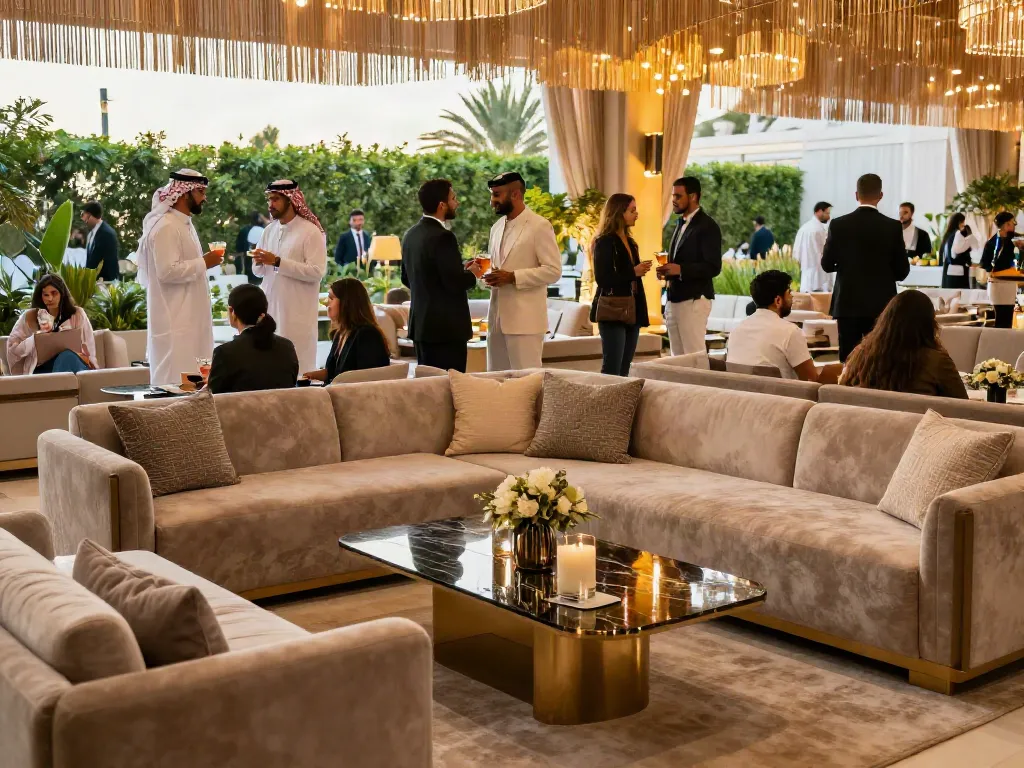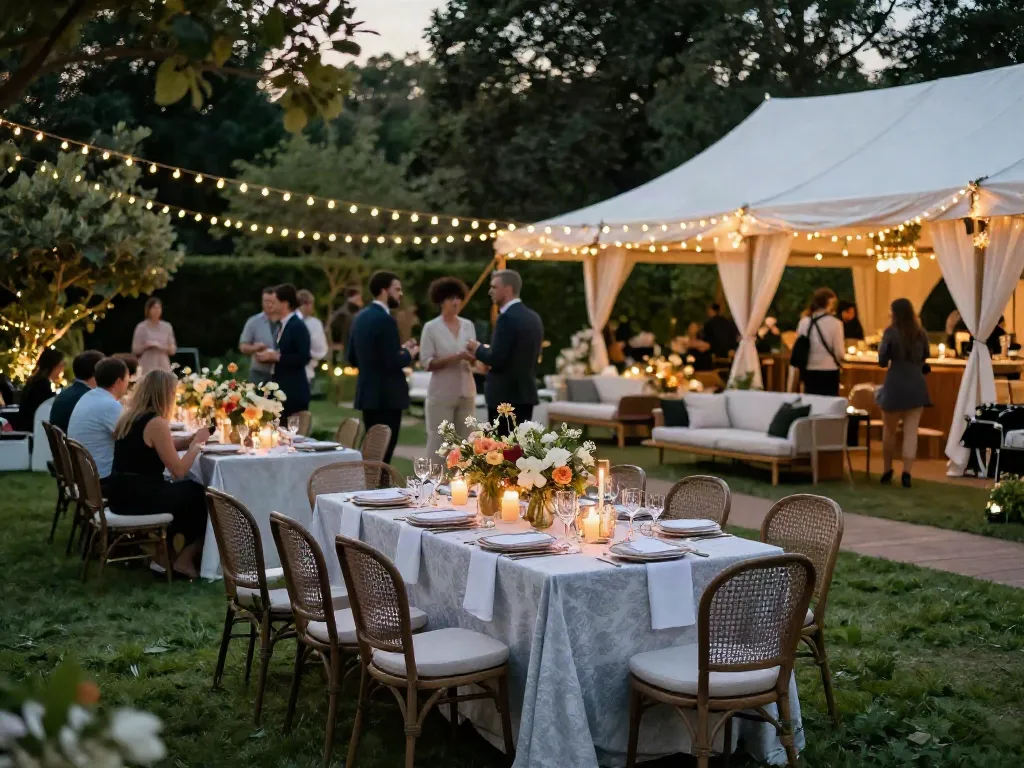
Understanding Event Furniture Rental
In the dynamic world of event planning, Event furniture rental stands as a pivotal component that can make or break the aesthetic and functionality of your gathering. Whether you are organizing a wedding, a corporate event, or a private party, the furniture you choose contributes significantly to the atmosphere and experience of your guests. This guide will delve into the essentials of event furniture rental, exploring its benefits, types available, and how it can enhance your events in 2026.
What is Event Furniture Rental?
Event furniture rental involves leasing various types of furniture intended for use in temporary setups for special occasions. These rentals can include tables, chairs, lounge furniture, and decorative items, tailored to fit the theme and scale of the event. This service is particularly advantageous for planners who want to provide a polished look without the financial burden of purchasing and storing items that may only see occasional use.
Benefits of Renting Versus Buying
Opting for furniture rental instead of purchasing comes with numerous benefits, including:
- Cost-Effectiveness: Renting furniture reduces upfront costs, allowing planners to allocate funds to other critical areas of the event, such as catering or entertainment.
- Variety: Rental companies often offer a vast selection of styles, which enables planners to mix and match furniture to create a unique ambience that aligns with their vision.
- No Storage Hassles: After the event, all rented items are returned, eliminating the need for storage space and maintenance of furniture.
- Flexibility: Rental agreements can be tailored to the specific needs and duration of the event, providing flexibility to planners.
Types of Event Furniture Available
The landscape of event furniture rental is diverse, catering to numerous types of events and preferences. Common categories include:
- Seating: Chairs, benches, lounge seating, and bar stools.
- Tables: Dining tables, cocktail tables, and display tables.
- Decorative Furnishings: Accent tables, ottomans, and themed props.
- Outdoor Furniture: Weather-resistant options for outdoor settings, including picnic tables and chaise lounges.
Planning Your Gathering with Style
Assessing Your Event Space
Before selecting furniture, it is essential to evaluate the venue’s layout, size, and style. Understanding the space will inform choices regarding the quantity and type of furniture needed. Considerations should include:
- The overall capacity of the venue and expected guest count.
- Traffic flow: ensuring there is enough room for guests to move comfortably.
- Accessibility: making sure that furniture placement allows access for all guests, including those with mobility challenges.
Selecting the Right Furniture for Your Audience
Choosing furniture that resonates with your audience enhances the event experience. For example, a corporate event might benefit from sleek, professional seating, while a wedding could call for elegant, romantic styles. Consider factors such as:
- The demographics of your guests.
- The type of event: formal, casual, or themed.
- Comfort: ensuring furniture is not only visually appealing but also comfortable for extended use.
Incorporating Theme and Design Elements
Furniture should complement the overall theme of the event. Incorporate colors, styles, and materials that reflect the desired atmosphere. For instance:
- Use rustic wooden tables for a farm-themed wedding.
- Incorporate modern, sleek furniture for a contemporary corporate gala.
- Choose vibrant colors for a lively birthday party setting.
Choosing the Best Providers
Key Questions to Ask Event Rental Companies
When selecting a rental company, it is vital to ask the right questions to ensure you partner with a reliable provider. Consider inquiring about:
- Inventory and availability of desired items.
- Delivery options and setup services.
- Insurance coverage for damages or loss of rented items.
Comparing Costs and Services
It is essential to compare different companies not just on price but also on the quality of service. Look for:
- Transparent pricing with no hidden fees.
- Customer support and responsiveness.
- Flexibility in rental agreements.
Customer Reviews: What to Look For
Reviews can provide valuable insights into the quality of a rental company. Focus on:
- The consistency of service delivery.
- Feedback on the quality and condition of rental items.
- Overall customer satisfaction levels.
Executing the Perfect Setup
Logistics of Delivery and Setup
Coordination of logistics is fundamental for ensuring that furniture is delivered and set up properly. Key aspects to manage include:
- Establishing a clear timeline for delivery and setup.
- Scheduling a walkthrough with the rental provider to confirm furniture placement.
- Ensuring that the venue has access points for large deliveries.
Creating Flow and Functionality in Layouts
The layout of furniture can significantly affect the flow of an event. Consider creating distinct areas for mingling, dining, and entertainment to facilitate interaction among guests. Tips include:
- Arranging seating in a circular or semi-circular fashion to promote conversation.
- Designing separate zones for different activities while maintaining a cohesive look.
Final Touches: Enhancing Atmosphere
Once the furniture is in place, focus on the finishing touches that enhance the overall atmosphere. This can be achieved by:
- Adding decorative items like centerpieces, table linens, and ambient lighting.
- Incorporating elements that reflect the event's theme, such as floral arrangements or themed props.
Future Trends in Event Furniture Rental
Eco-Friendly Options for 2026
As sustainability becomes increasingly important, many event rental companies are now offering eco-friendly furniture options. This includes pieces made from recycled materials, biodegradable items, and furniture with a minimal environmental footprint. Embracing eco-friendly options not only contributes to environmental conservation but can also enhance the event's appeal to conscious consumers.
Technology Integration in Event Furniture
Technology is infiltrating every aspect of our lives, and event furniture is no exception. Expect to see furniture equipped with charging stations, integrated LED lighting, and even smart furniture that can adapt to the needs of an event, enhancing both functionality and guest experience.
Personalization Trends for Unique Experiences
Event planners are increasingly seeking personalized furniture options that cater specifically to their themes. This could involve custom colors, designs, or even bespoke furniture pieces that set an event apart. This trend allows for a greater sense of ownership over the event's design and can create memorable experiences for guests.
What should I consider when renting event furniture?
When renting event furniture, consider your event's theme, guest count, and the ambiance you wish to create. It's also important to assess the logistics of delivery and setup.
How do I calculate the budget for furniture rental?
Calculating the budget involves considering rental costs, delivery fees, and any additional services such as setup or teardown. It's wise to get quotes from multiple companies to ensure you're getting the best value.
Can I mix styles of furniture at my event?
Mixing styles can be an excellent way to create a unique look, but it is essential to maintain a cohesive design by ensuring that the different styles complement each other.
What are the most popular furniture styles for weddings?
For weddings, popular styles include vintage, rustic, and modern chic, each offering different atmospheres and visuals that can align with the couple's preferences.
How does delivery and setup work for rented furniture?
Delivery and setup usually involve scheduling times with the rental company for drop-off and assembly. Communicating clearly about your venue and layout requirements is essential for a smooth process.