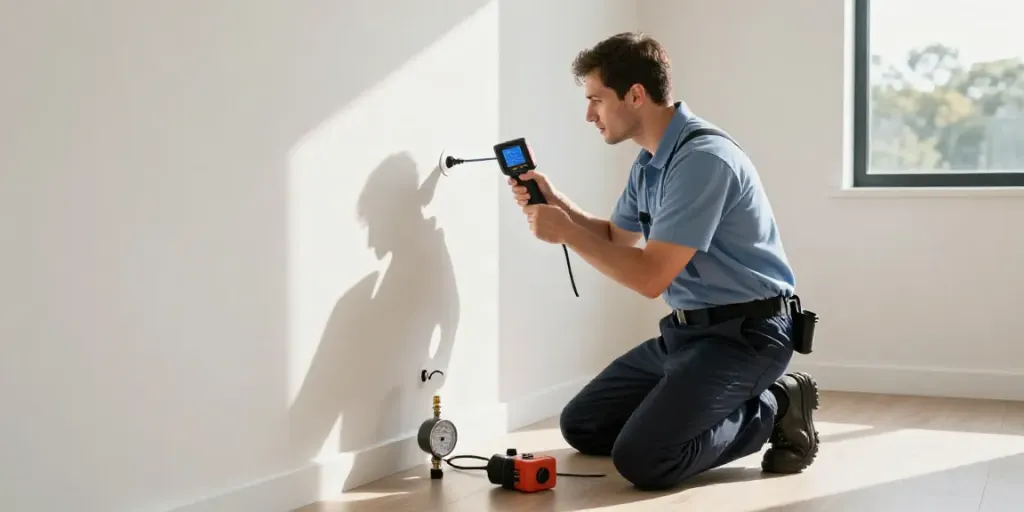
Understanding Leak Detection Technologies
As the demands for efficient water management rise, the significance of leak detection technologies becomes increasingly prominent. In Sydney, where plumbing systems are often challenged by the coastal climate, understanding these technologies can lead to significant savings in water bills, environmental protection, and the prevention of property damage. This comprehensive guide outlines how leak detection works, the various methods available, and the innovative technologies expected to emerge by 2026. When exploring options, Leak Detection & Repair Sydney provides comprehensive insights to help homeowners make informed decisions regarding their plumbing systems.
How Leak Detection Works
Leak detection involves identifying the presence of leaks in plumbing systems, which can occur in residential buildings, commercial properties, and even municipal water supplies. The primary goal is to locate leaks before they escalate into costly repairs. This is achieved through several techniques, including pressure testing, acoustic detection, and thermal imaging. By understanding the underlying principles of these methods, property owners can select the best approach for their specific needs.
Types of Leak Detection Methods
There are several methods used for leak detection, each with its own advantages:
- Acoustic Detection: This technique uses sound waves to identify leaks. Specialized microphones pick up the sound of water escaping from pipes, allowing technicians to pinpoint the leak's location with high accuracy.
- Infrared Thermography: Thermal imaging cameras detect temperature variations in walls and floors that indicate a leak. This non-invasive method is particularly useful in residential settings where exposing pipes may be challenging.
- Pressure Testing: By monitoring pressure changes within a closed plumbing system, technicians can determine whether leaks are present. This method is often used in conjunction with other techniques for comprehensive analysis.
- Dye Testing: A colored dye is introduced into the plumbing system, and the technician observes any discoloration at potential leak sites. This method is simple yet effective for identifying leaks in swimming pools and similar environments.
Innovative Technologies in 2026
As technology progresses, the future of leak detection is set to become even more sophisticated. Innovations such as smart leak detection systems integrated with home automation can alert homeowners to leaks in real-time via smartphone applications. Additionally, artificial intelligence is expected to play a role in analyzing detection data, predicting potential leak occurrences, and recommending preventative measures accordingly.
Common Leak Issues in Sydney Homes
Sydney's unique coastal climate presents specific challenges for plumbing systems, leading to various leak problems homeowners must address. Recognizing these issues allows homeowners to take proactive steps towards prevention and repair.
Identifying Signs of Water Leaks
Water leaks can manifest in several ways, making early detection crucial. Common signs include:
- Increased water bills without a corresponding change in usage.
- The sound of running water when all fixtures are off.
- Visible water stains on ceilings, walls, or floors.
- Mold or mildew growth, indicating prolonged moisture presence.
- Wet spots in the yard or garden, which may suggest underground leaks.
Impact of Coastal Climate on Plumbing
The coastal climate in Sydney can exacerbate plumbing issues due to factors such as saltwater corrosion and shifting soil. Residential properties are often at risk due to the combination of low-lying areas and rising sea levels, which can lead to water seepage into foundations. Homeowners should be vigilant about maintaining their plumbing systems to mitigate these risks.
Preventative Measures for Homeowners
Preventing leaks is an essential aspect of home maintenance. Here are some actionable tips for homeowners:
- Conduct regular plumbing inspections, focusing on joints, valves, and connections.
- Install water flow monitors to detect unusual usage patterns.
- Use sealants on aging plumbing fixtures to prevent minor leaks from worsening.
- Consider investing in smart home technology for early leak detection.
Cost Factors in Leak Detection & Repair Sydney
Understanding the costs associated with leak detection and repair in Sydney can empower homeowners to make informed decisions about their plumbing maintenance. Various factors influence pricing, including the detection method used, the severity of the leak, and the time required for repairs.
Average Pricing for Leak Detection Services
On average, leak detection services in Sydney can range from $300 to $800, depending on the complexity of the issue and the technology employed. For instance, traditional acoustic methods may cost less than advanced thermal imaging techniques, which provide greater precision.
Cost-Effective Repair Solutions
Once a leak is detected, the cost of repair can vary significantly. Simple repairs, such as fixing a leaky faucet, may only cost a few hundred dollars, while major plumbing overhauls can escalate into the thousands. Homeowners should consult with multiple service providers to compare estimates and find solutions that fit their budgets.
Insurance and Leak Repair Coverage
Many homeowners insurance policies cover water damage from leaks, but the specifics can vary widely. It’s essential for homeowners to review their policies carefully and understand their coverage limits. Additionally, documenting any leak detection and repair work performed can aid in claims processing should the need arise.
Choosing the Right Leak Detection Service
Selecting a reliable leak detection service can be challenging, given the array of options available in Sydney. Here are key considerations for homeowners when making a choice.
What to Look for in a Service Provider
When evaluating leak detection services, consider the following criteria:
- Experience: Look for companies with a proven track record in leak detection and repair.
- Certifications: Ensure that the technicians are certified and trained in the latest leak detection technologies.
- Reputation: Check online reviews and ratings to assess customer satisfaction.
- Technology: Inquire about the methods and tools the provider uses for leak detection.
Questions to Ask Before Hiring
Before finalizing your choice of leak detection service, consider asking the following questions:
- What is your approach to leak detection, and what techniques do you use?
- Can you provide references or testimonials from previous clients?
- What are your payment options and warranty policies on repairs?
- Will you provide a detailed estimate before starting the work?
Reviews and Recommendations
Word-of-mouth recommendations can be invaluable when selecting a leak detection service. Asking friends, family, or neighbors for referrals can lead to trustworthy options and help avoid subpar services. Online platforms such as Google Reviews or HomeAdvisor can also provide insights into the experiences of previous customers.
Future Trends in Leak Detection & Repair
The field of leak detection is evolving rapidly, with emerging technologies poised to transform the way we manage plumbing issues. Understanding these trends can help homeowners prepare for future developments.
Emerging Technologies to Watch
As technology advances, several emerging tools are expected to play a significant role in leak detection:
- IoT Devices: Internet of Things (IoT) devices will enable homeowners to monitor their plumbing systems remotely, providing alerts for any irregularities.
- Advanced AI Algorithms: Artificial intelligence will help in analyzing data trends, predicting potential leaks, and recommending maintenance schedules.
- Robotic Inspectors: Miniature robots equipped with sensors may soon be used to investigate underground pipes, detecting leaks without significant excavation.
Predictions for Service Innovations in 2026
By 2026, we can expect further integration of smart technologies in plumbing services, with automated systems that proactively manage water use and alert homeowners before issues escalate. Furthermore, the emphasis on sustainability will drive innovations aimed at conserving water and protecting resources.
How Sustainability Will Shape Leak Repair Solutions
As environmental concerns gain traction, leak detection and repair services will increasingly focus on sustainable practices. This may include using eco-friendly materials for repairs and adopting methods that minimize water waste. By prioritizing sustainability, companies can enhance their service offerings and appeal to environmentally conscious consumers.
What is the average cost to detect and fix a leak?
The average cost to detect and repair a leak can vary greatly based on the extent of damage and the methods employed. Homeowners should expect to invest anywhere from $300 to over $1,000, depending on the variables discussed earlier.
How reliable are new leak detection technologies?
Recent advancements in leak detection technologies are generally regarded as highly reliable, particularly when performed by trained professionals. Methods like thermal imaging and acoustic detection have proven effective at identifying leaks that traditional methods might miss.
Where can I find trusted leak detection services in Sydney?
Homeowners in Sydney can find trusted leak detection services through online searches, recommendations from friends and family, or by consulting local business directories. For more information, Electrical and Lighting Spa Repair Sydney offers valuable insights. Additionally, platforms like Yelp and Google Reviews can provide insights into the reputation of different service providers.