

Understanding the Beauty and Benefits of Water Lilies
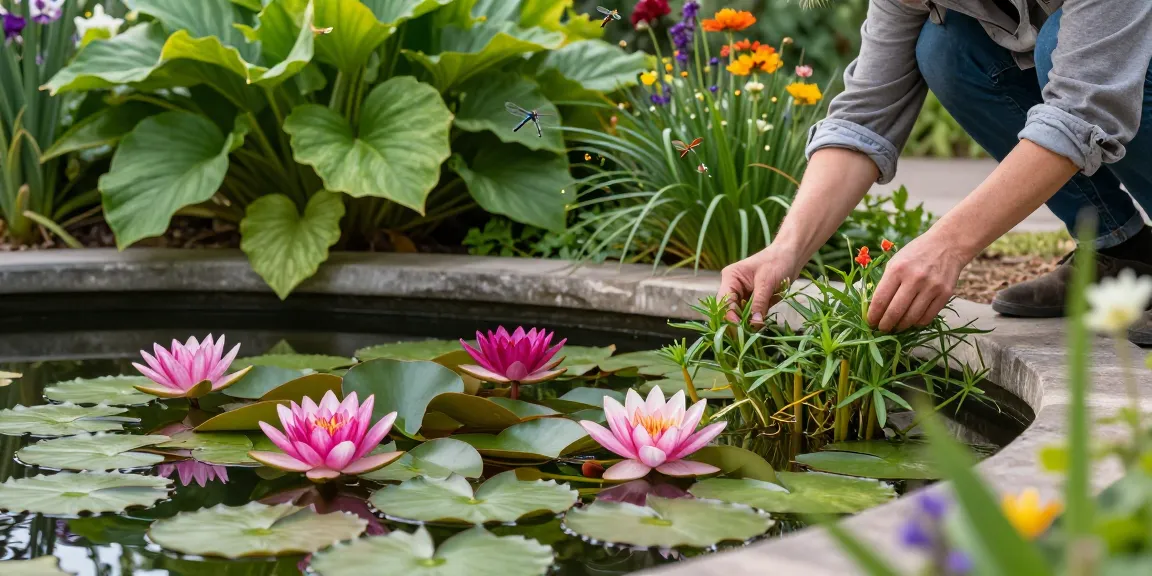
Water lilies are enchanting aquatic plants that not only add elegance to any garden pond but also play a vital role in maintaining a healthy ecosystem. Known for their stunning blooms and floating leaves, these plants have captivated gardeners and nature enthusiasts alike. When exploring options, Water Lilies provide comprehensive insights into creating a vibrant aquatic environment.
What Are Water Lilies?
Water lilies, belonging to the family Nymphaeaceae, are perennial flowering plants that grow in freshwater habitats. Recognizable by their large, round leaves and beautiful flowers that bloom on the water’s surface, they have adapted to thrive in ponds and lakes. Common species include the hardy water lily (Nymphaea spp.) and the tropical water lily, each featuring unique colors and sizes. Their leaves, known as lily pads, can measure from a few inches to over three feet across, depending on the variety.
Benefits of Incorporating Water Lilies in Your Garden
Integrating water lilies into your garden pond offers numerous advantages:
- Aesthetic Appeal: The vibrant flowers and lush foliage create a stunning focal point and enhance the visual appeal of any water feature.
- Wildlife Habitat: Water lilies provide shelter and breeding grounds for various aquatic species such as frogs, dragonflies, and fish.
- Water Quality Improvement: These plants can help stabilize pond ecosystems by absorbing excess nutrients, thus reducing algae growth and improving water clarity.
- Shade Provision: The broad leaves offer shade, which helps maintain cooler water temperatures, benefiting fish and other pond inhabitants.
Environmental Impact of Aquatic Plants
Aquatic plants like water lilies are crucial for ecosystem health. They play an essential role in oxygen production and act as natural filters, improving water quality. Additionally, they help in controlling erosion by stabilizing the soil with their root systems. The presence of water lilies can also enhance biodiversity as they support various life forms within their habitat.
Choosing the Right Water Lilies for Your Pond
Popular Varieties of Water Lilies
When selecting water lilies, consider the following popular varieties:
- Nymphaea ‘Victoria’: Known for its gigantic pads and fragrant flowers, this tropical variety is a show-stopper.
- Nymphaea ‘Perry’s Fire Opal’: A hardy hybrid that features striking orange blooms, perfect for temperate climates.
- Nymphaea ‘Pink Sensation’: This variety showcases soft pink flowers that open in the morning and close at dusk.
- Nymphaea ‘White Nymph’: With its classic white flowers, this hardy lily is ideal for traditional pond aesthetics.
Factors to Consider When Selecting Water Lilies
Choosing the right water lilies for your pond involves assessing several key factors:
- Climate: Determine if you need hardy or tropical varieties based on your region’s climate.
- Pond Depth: Different varieties have specific water depth requirements; ensure you select those that match your pond’s dimensions.
- Sunlight Exposure: Most water lilies thrive in full sun, needing at least six hours of direct sunlight each day.
- Growth Space: Consider the available space in your pond, as some varieties can spread quickly and occupy significant areas.
Best Practices for Planting Water Lilies
Planting water lilies correctly is vital for their survival and growth. Follow these best practices:
- Container Selection: Use a wide, shallow container filled with a heavy potting soil to anchor the plants.
- Water Level Adjustment: Place the container at the appropriate depth, usually between 18 to 36 inches, depending on the variety.
- Introduce Slowly: Gradually acclimatize new plants to your pond environment to reduce transplant shock.
- Regular Care: Feed your water lilies with aquatic plant fertilizer during the growing season to encourage robust blooms.
Maintaining Healthy Water Lilies
Water Quality and its Effects on Growth
The quality of water in your pond significantly impacts the health of water lilies. Aim for a balanced pH between 6.5 and 7.5, and ensure optimal nutrient levels. Regular water testing can help identify any imbalances. Additionally, consider the temperature; most water lilies thrive in water temperatures ranging from 70°F to 85°F (21°C to 29°C).
Pest Management Strategies for Water Lilies
While generally hardy, water lilies can face pest threats such as aphids and snails. Employ these pest management strategies:
- Hand-Picking: Regularly inspect and remove pests by hand.
- Natural Predators: Introduce beneficial insects such as ladybugs, which feed on aphids.
- Insecticidal Soap: Use a mild insecticidal soap if infestations become severe, ensuring it is safe for aquatic life.
Seasonal Care Tips for Thriving Aquatic Plants
Provide seasonal care to ensure your water lilies flourish throughout the year:
- Spring: Remove any debris from the pond and start fertilizing as growth resumes.
- Summer: Monitor water levels and ensure adequate sunlight; trim any dead or yellowing leaves.
- Autumn: Reduce fertilization as the plants prepare for dormancy; consider covering the pond to prevent debris accumulation.
- Winter: In colder climates, either remove the lilies to a sheltered location or ensure they are submerged below the ice.
Trends in Water Gardening for 2026
Innovative Techniques in Aquatic Gardening
The art of water gardening continues to evolve, with new techniques emerging to enhance the cultivation of water lilies and other aquatic flora. Hydroponic systems are gaining popularity, allowing for year-round growth, while vertical gardens are being adapted for aquatic settings, maximizing space and aesthetic appeal.
Embracing Sustainable Practices in Pond Management
As awareness of environmental issues increases, sustainable practices in pond management are becoming essential. This includes using organic fertilizers, implementing natural pest control, and utilizing native plant species to attract local wildlife and reduce maintenance.
Future Landscape Design Trends Featuring Water Lilies
In 2026, expect to see water lilies integrated into landscape designs in more innovative and creative ways. From natural swimming ponds to urban rooftop gardens that feature water elements, these plants are likely to be the stars in promoting biodiversity and relaxation in green spaces.
Frequently Asked Questions About Water Lilies
Can Water Lilies survive in cold climates?
Yes, certain hardy varieties of water lilies can survive in cold climates, as long as they are planted at the right depth and given proper care during the winter months.
How often should you fertilize water lilies?
Water lilies should typically be fertilized every month during the growing season using a specialized aquatic plant fertilizer to promote blooming and healthy growth.
What are the best companions for water lilies in a pond?
Consider pairing water lilies with other aquatic plants like lotus, cattails, and submerged plants that provide oxygen, complementing the water lilies’ beauty while enhancing the overall ecosystem.
How deep should the water be for optimal water lily growth?
The optimal water depth for water lilies varies by species, but most require a depth of 18-36 inches for hardy varieties and 12-18 inches for tropical varieties.
Are there any diseases that affect water lilies?
Water lilies can be affected by diseases such as crown rot and leaf spot. Regular monitoring and maintaining good water quality can help prevent these issues.