
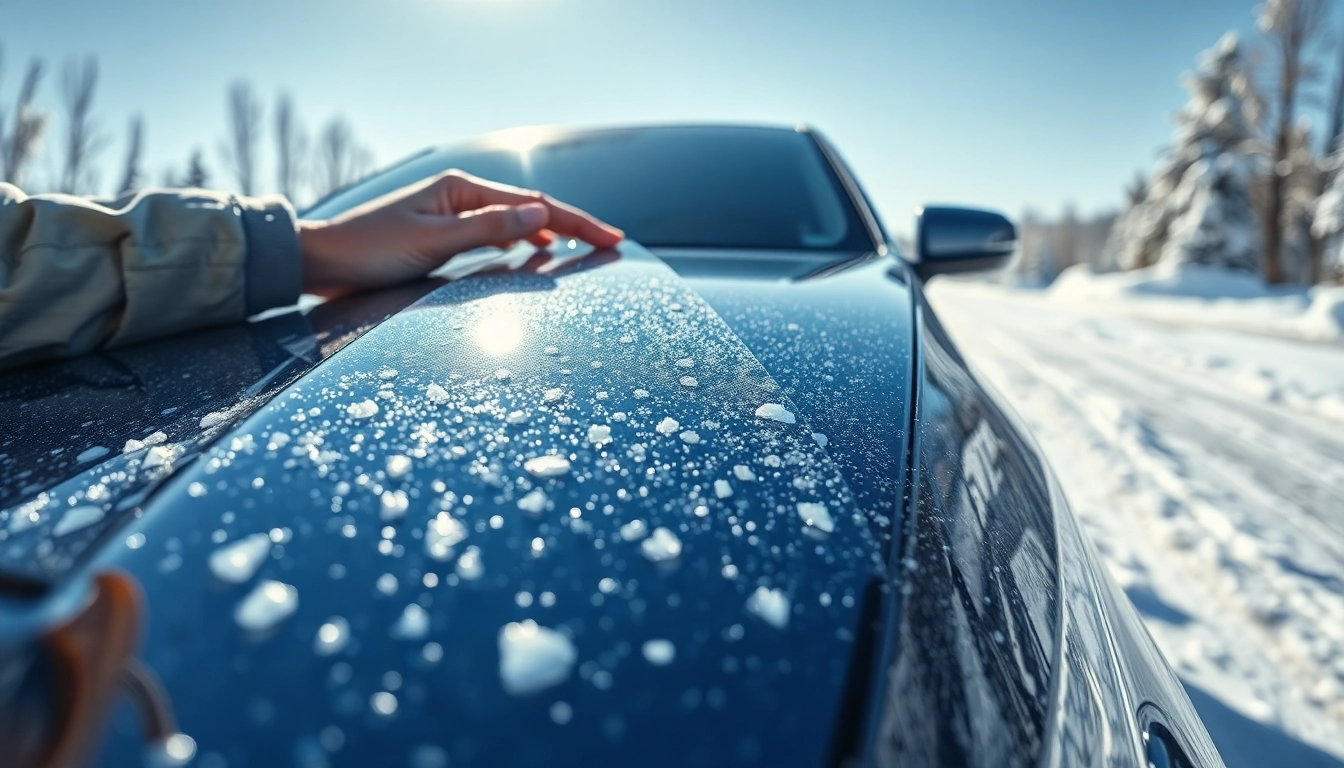
Understanding PPF Winter Road Salt Protection
What is PPF?
Paint Protection Film (PPF) is a high-performance urethane film that acts as a barrier between your vehicle’s paint and the outside elements. Designed to absorb impacts from road debris, provide scratch resistance, and repel harmful contaminants, PPF is a transparent layer that preserves the aesthetic appeal and integrity of your car’s finish. In particular, PPF is critical during winter months when road salt and ice can wreak havoc on your vehicle’s exterior. Implementing PPF winter road salt protection can ensure that your investment remains intact, blemish-free, and vibrant.
Importance of Winter Protection
The winter season brings unique challenges for vehicle owners, particularly those in regions where road salt is used extensively. This salt can cause corrosive damage that leads to rust and paint deterioration over time. PPF provides a crucial layer of defense, allowing vehicle owners to enjoy winter driving without the worry of permanent damage. In addition to protecting against salt intrusion, PPF restricts other environmental factors such as grime, dirt, and debris, keeping your vehicle looking its best throughout the season.
How Road Salt Affects Vehicles
Road salt serves as an effective agent for melting ice and snow; however, it poses a significant threat to vehicles. When salt crystals come into contact with your car’s exposed surfaces, they create an electrolyte solution that accelerates oxidation and corrosion if not cleaned off regularly. Over time, this can damage the vehicle’s paint, leading to rust formation and requiring costly repairs. PPF helps mitigate these risks by providing a tough and durable barrier against the corrosive effects of salt.
Choosing the Right PPF for Winter
Types of PPF Available
Not all paint protection films are created equal, especially when it comes to cold weather performance. Typically, types of PPF can be classified as:
- Self-Healing Films: These films can recover from minor scratches by absorbing heat from the sun or engine, thus restoring their original appearance.
- Matte vs. Gloss Finish: Depending on your preferences, you can select between a glossy finish that enhances shine and a matte finish that offers a unique aesthetic.
- Thickness: Most PPFs range from 6 to 12 mils in thickness. Thicker films provide enhanced durability, while thinner films may be easier to apply and can be less noticeable.
Factors to Consider When Selecting PPF
Choosing the correct PPF requires evaluating several critical factors:
- Durability: Opt for films that have been tested for impact resistance and long-term wear.
- Warranty: A robust warranty often indicates a high-quality product.
- Ease of Installation: Consider whether you will perform a DIY installation or seek professional assistance.
- Cost: Balance the film’s price against its protective capabilities and longevity.
Cost vs. Benefits
Investing in PPF can involve significant upfront costs, which can range from hundreds to thousands of dollars based on vehicle size and the extent of coverage. However, it’s important to weigh these costs against the long-term benefits. PPF can preserve your vehicle’s resale value by preventing paint damage, which can be costly to repair. Additionally, reducing the frequency of detailing sessions due to enhanced cleanliness is another benefit that many vehicle owners might overlook.
Application Techniques for Optimal Protection
DIY vs. Professional Installation
When it comes to applying PPF, you have two primary options: do-it-yourself (DIY) or professional installation. While DIY kits are available and offer a cost-effective solution, achieving a seamless and bubble-free application can be challenging. Professional installers are trained to apply PPF with precision, ensuring every inch is properly protected.
Step-by-Step Installation Guide
If you’re considering a DIY approach, follow these steps for optimal results:
- Clean the Surface: Thoroughly wash and dry your vehicle to remove any dirt, grime, and contamination.
- Measure and Cut: Calculate the dimensions needed for each panel and cut the PPF accordingly.
- Moisten the Surface: Use a spray solution (soapy water is often recommended) to lubricate the area where the film will be applied.
- Apply the Film: Position the film on the vehicle’s surface and gently squeegee out air bubbles from the center towards the edges.
- Trim Excess Material: Carefully use a razor to trim any overlapping edges for a clean finish.
- Allow to Cure: Let the film cure undisturbed, following the manufacturer’s specific recommendations on time.
Common Mistakes to Avoid
Many DIY enthusiasts make some common mistakes during PPF installation:
- Insufficient cleaning of the vehicle’s surface can lead to dirt getting trapped under the film.
- Not allowing enough cure time before exposing the film to weather elements can result in poor adhesion.
- Overstretching the film can cause it to revert back to its original shape and create wrinkles.
- Using the wrong tools can damage the film or paint beneath it, so always select appropriate squeegees and knives.
Maintaining Your PPF in Winter Conditions
Routine Maintenance Tips
Maintaining your PPF during winter conditions is vital to ensure its longevity and performance. Regular washes will help remove road salt and grime buildup. It’s advisable to hand wash your vehicle using a soft cloth to prevent abrasion. Additionally, consider waxing the film periodically for added protection against UV rays and elements.
How to Clean PPF Effectively
When cleaning your PPF, avoid harsh chemicals that can degrade the film’s integrity. Instead, use pH-balanced car soap and a microfiber cloth. For sticky substances, applying a bit of mineral spirits on a soft cloth can help without damaging the PPF. Rinse thoroughly afterward to ensure all residues are gone.
Signs of Wear to Monitor
Keep an eye out for the following signs that may indicate your PPF needs attention:
- Yellowing: This can signal film degradation, often due to prolonged exposure to UV light.
- Peeling Edges: If the edges of the film start to lift, it’s a sign of poor adhesion.
- Scratches: While PPF is resistant to scratches, deep cuts can occur, requiring repairs or replacement of the affected area.
FAQs About PPF Winter Road Salt Protection
How long does PPF last in winter?
Quality PPF can last up to 5-10 years, even in winter conditions, depending on the product and maintenance provided.
Can PPF be reapplied?
Yes, if PPF gets damaged or worn out, it can be removed and replaced without causing harm to the vehicle’s paint.
Is PPF resistant to all types of damage?
While PPF offers excellent protection against minor scratches and debris, it is not invincible and does not prevent all types of damage.
How does it affect the car’s appearance?
PPF is designed to be nearly invisible, enhancing the vehicle’s appearance while protecting it from damage.
What is the best time to apply PPF?
The best time to apply PPF is before winter months, ideally in autumn when temperatures are mild, ensuring optimal adhesion.