

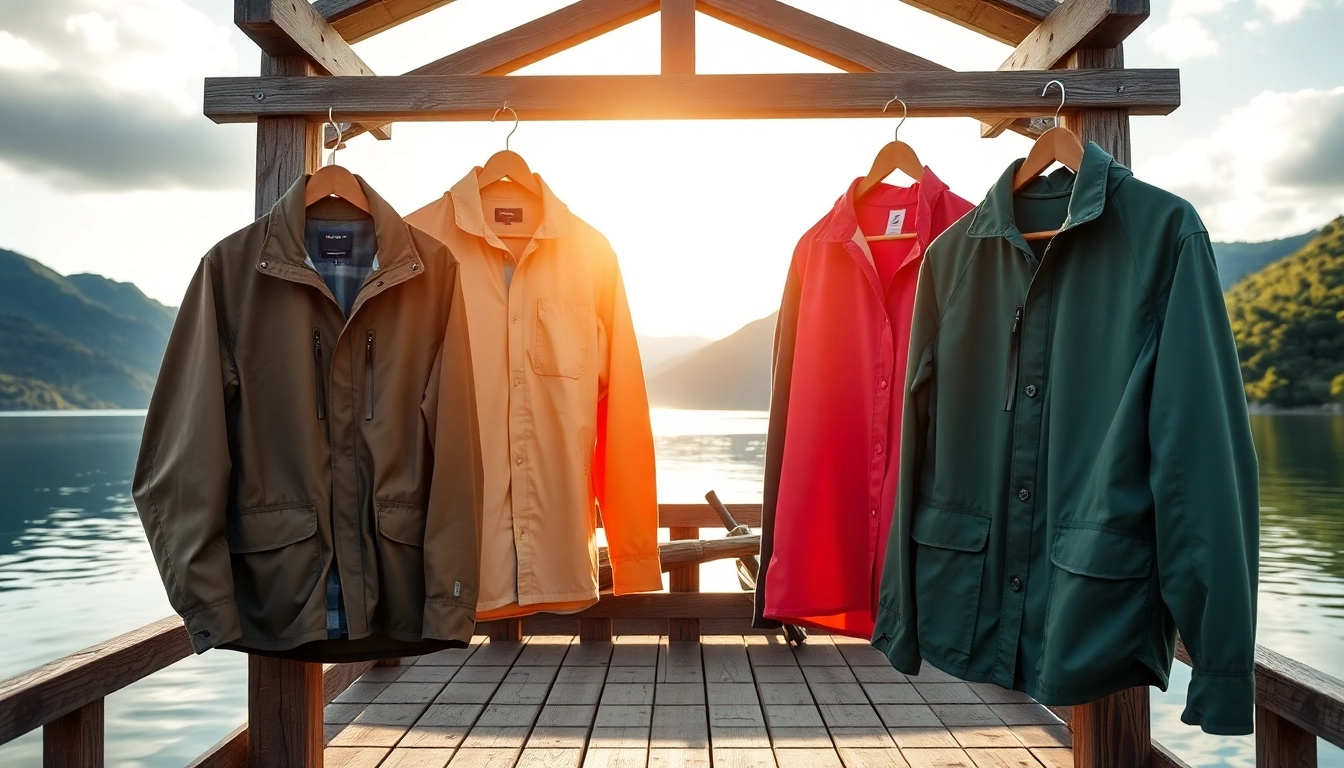
As the number of enthusiasts embracing fly fishing continues to grow, understanding the right gear is paramount to enjoying this unique hobby. Among the essential components of this gear, Fly fishing apparel stands out as a crucial investment. The right clothing can enhance your comfort, improve your experience, and provide protection from environmental elements. In this comprehensive guide, we will explore the multifaceted world of fly fishing apparel, its features, care, choices, brands, and innovations.
Understanding Fly Fishing Apparel
Fly fishing apparel has been specifically designed for the unique needs of anglers. It is important to understand these needs in order to choose the right clothing. Quality fly fishing apparel not only helps with performance but also contributes to safety and comfort while on the water.
Key Features of Quality Fly Fishing Apparel
- Breathability: Optimum airflow in clothing prevents overheating and keeps anglers fresh during intense fishing sessions.
- Moisture Wicking: Fabrics engineered to wick away sweat help maintain comfort and prevent chilling.
- Durability: Abrasion-resistant materials withstand the wear and tear of the fishing environment.
- UPF Protection: Ultraviolet Protection Factor (UPF) rating is crucial for safeguarding skin against harmful sun rays.
- Comfortable Fit: Loose or relaxed fits allow for ease of movement, which is necessary for casting and reeling in fish.
The Importance of Material and Design
Material choice is fundamental when discussing fly fishing apparel. Popular materials include nylon, polyester, and merino wool. Each offers unique benefits:
- Nylon: Known for its lightweight qualities and excellent durability; it dries quickly and is often used in jackets and pants.
- Polyester: Excellent at moisture-wicking and quick drying, making it an ideal choice for shirts and baselayers.
- Merino Wool: Known for its temperature regulation and moisture-wicking properties, making it useful in cooler weather.
Design-wise, the inclusion of functional pockets, reinforced seams, and adjustable cuffs enhances usability during fishing adventures.
How Weather Affects Apparel Choice
Weather conditions play a significant role in choosing fly fishing apparel. In colder months, layering becomes essential, while in hot conditions, breathable and lightweight clothing is crucial. Rain gear is also necessary as unexpected weather changes can occur:
- Cold Weather: Look for insulated layers, waterproof jackets, and thermal socks to maintain warmth.
- Hot Weather: Select lightweight, breathable materials and opt for long sleeves for sun protection.
- Rainy Conditions: Waterproof jackets and pants designed to keep you dry while still offering breathability are a must.
Choosing the Right Fly Fishing Apparel for Your Needs
Finding the best fly fishing apparel involves evaluating your specific needs, environment, and preferences. The wrong choices can lead to discomfort and distractions during your fishing time.
Identifying Your Fishing Environment
Understanding the area where you will be fishing—whether freshwater rivers, saltwater flats, or highland lakes—helps you select appropriate clothing. For fast-flowing rivers, it may be wise to opt for quick-drying fabrics and reinforced footwear. On the other hand, fishing in saltwater environments could warrant UV-protective clothing to shield against sun exposure.
Essential Layers for Fly Fishing
Layering effectively is key to adapting to changing temperatures on the water:
- Base Layer: A moisture-wicking base layer keeps you comfortable by managing sweat.
- Mid Layer: A thermal or insulating layer helps retain heat when temperatures drop.
- Outer Layer: A waterproof or windproof jacket protects against environmental elements.
Accessories That Enhance Comfort
Accessories are important additions to your fly fishing apparel that enhance overall comfort and functionality:
- Hats: A wide-brimmed hat offers sun protection and keeps your eyes shielded from glare off the water.
- Sunglasses: Polarized sunglasses improve visibility underwater and protect against UV damage.
- Gloves: Lightweight gloves protect your hands from sun exposure and enhance grip on fishing gear.
Care and Maintenance of Fly Fishing Apparel
To prolong the life of your fly fishing apparel, proper maintenance is essential. Following care guidelines will keep them functional and comfortable.
Washing and Drying Best Practices
Always follow the care label instructions for washing. Generally, using a gentle detergent and avoiding fabric softeners helps maintain breathability.
- Washing: Use cold water and a gentle cycle to prevent wear.
- Drying: Air drying is preferred to preserve fabric integrity.
Storing Fly Fishing Apparel Properly
Correct storage prevents damage due to environmental factors. Hang items to avoid creases, and choose a dry, dark place to prevent mold growth and fabric fading.
Repairing Minor Damages
Minor damages such as small tears or loose seams can often be fixed, extending the life of your gear. Basic sewing skills can remedy these issues without needing replacements.
Top Brands and Innovations in Fly Fishing Apparel
The market for fly fishing apparel is full of innovations designed to improve comfort and performance. Staying informed about these advancements can enhance your outfitting choices.
Innovative Technologies in Fabric
Technological advancements have led to the development of fabrics with improved water-repellent properties, enhanced breathability, and integrated UV protection. Some fabrics use nanotechnology to create garments that repel water while remaining lightweight and breathable.
Recent Trends in Fly Fishing Apparel
Recent trends showcase a shift towards sustainable practices with brands prioritizing recycled materials while ensuring high performance. Additionally, the designs are becoming more stylish, allowing anglers to look good while enjoying their time on the water.
Budget-Friendly vs. Premium Options
While premium options often boast superior technologies and durability, budget-friendly options can provide competent performance for casual anglers. Carefully assess your fishing habits and choose gear that matches your frequency and intensity of use.
Frequently Asked Questions about Fly Fishing Apparel
What materials are best for fly fishing apparel?
Look for lightweight, moisture-wicking materials like polyester or nylon, which provide breathability and quick-drying features. Merino wool is excellent for temperature control.
How can I choose the right size for fly fishing apparel?
Refer to the sizing chart provided by the manufacturer. Consider fit preferences, keeping mobility in mind, particularly for layers and outerwear.
Do I really need UV protection in my fishing apparel?
Yes, especially for all-day fishing. UV-protective clothing helps shield skin from harmful sun rays, significantly reducing risks of skin cancer.
Can I use regular athletic wear for fly fishing?
While some athletic wear can be suitable, specialized fly fishing apparel provides better moisture management, durability, and UV protection tailored for fishing conditions.
How should I care for my fly fishing apparel?
Follow washing instructions, avoid fabric softeners, and air dry when possible. Store away from direct sunlight and damp conditions to prolong lifespan.