

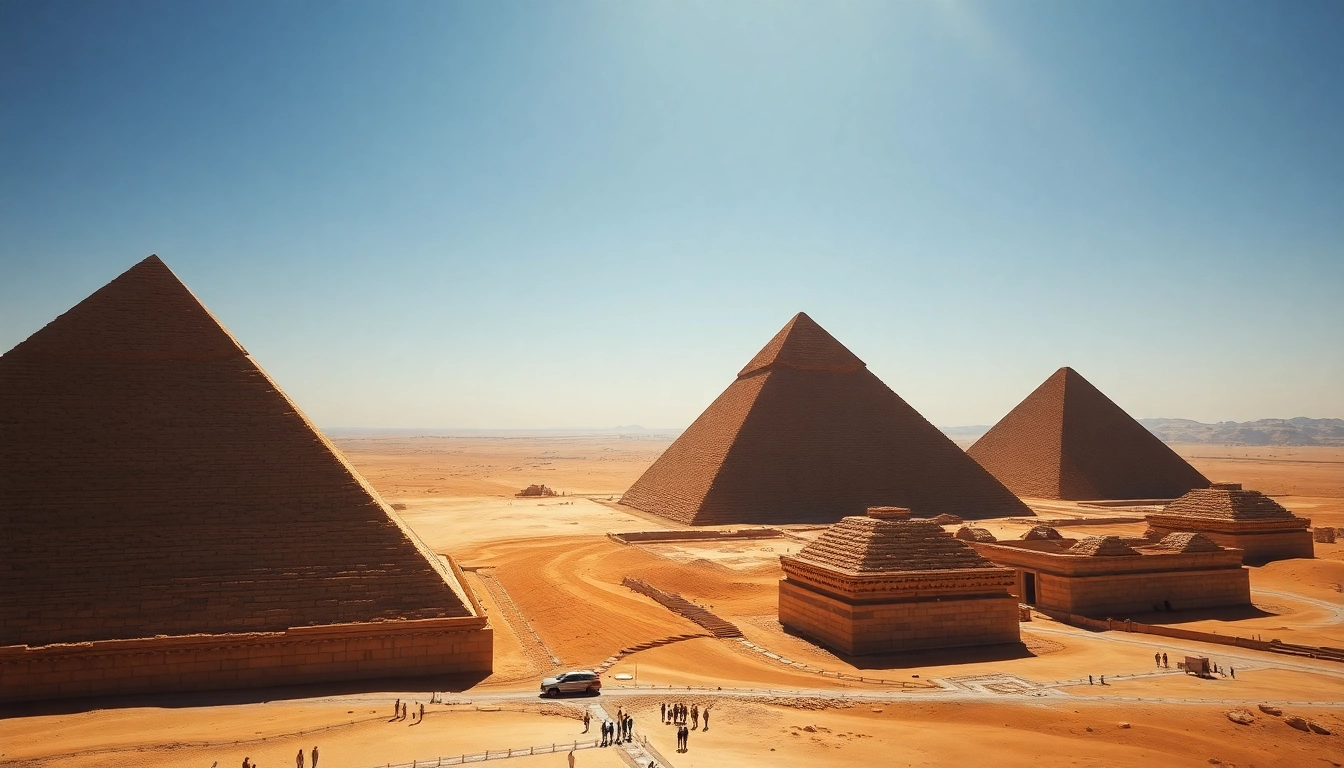
Understanding the History of Pyramids
The pyramids of Egypt are not just magnificent architectural feats; they are monumental embodiments of ancient Egyptian culture, religion, and society. These structures, particularly the famous Pyramids of Giza, have puzzled historians and archaeologists for centuries. The allure of the pyramids draws millions of visitors each year, pointing to their lasting significance and intrigue. They encapsulate the ancient Egyptians’ beliefs in the afterlife and the power of the pharaohs. For more detailed insights, exploring resources like https://piraminds.com/ can provide a foundational understanding of their importance.
Significance of Pyramids in Egyptian Culture
Pyramids served as grand monuments to the pharaohs, who were considered divine intermediaries between the gods and the people. The construction of these structures was deeply entrenched in the religious beliefs of the time, reflecting the Egyptians’ desire for immortality and a successful afterlife. The alignment of pyramids with celestial bodies further underscores their cultural importance, embodying the connection between the earthly realm and the divine.
Major Historical Figures in Pyramid Construction
Key figures in the construction of the pyramids include pharaohs like Khufu, whose reign saw the Great Pyramid built. Ancient texts suggest that these leaders were revered not only for their political power but also for their religious significance. The role of architects, such as Hemiunu, in designing these structures is equally remarkable, as they combined engineering prowess with spiritual symbolism, ensuring that the pyramids fulfilled their intended purposes.
Pyramid Locations and Their Importance
The strategic locations of the pyramids—primarily near the Nile River—were not random. Proximity to the river provided essential resources and facilitated the transportation of massive stones used in construction. Furthermore, the choice of Giza and other sites, like Saqqara, was dictated by both geological suitability and the sacred geography that permeated Egyptian culture.
How Pyramids Were Constructed
Materials Used in Pyramid Building
The materials used in pyramid construction were predominantly limestone, granite, and basalt, each selected for its properties and availability. Limestone was often quarried locally, while granite, prized for its strength, was transported from quarries far away. This careful selection of materials exemplified the Egyptians’ sophisticated understanding of construction and sustainability in resource management.
Technologies of Ancient Egypt
Ancient Egyptians employed a range of innovative technologies that enabled them to create pyramids. Tools made of copper, wooden sledges, and techniques for leveraging ramps showcased their engineering ingenuity. Furthermore, the use of simple machines—like levers and pulleys—was pivotal in the movement and placement of massive stones, dispelling myths that suggest aliens or extraterrestrial technologies were responsible.
Labor Force and Workforce Dynamics
The workforce responsible for building the pyramids consisted of skilled laborers rather than enslaved individuals, as often believed. These workers were organized into teams and provided with food, shelter, and medical care, indicating a well-structured labor system. This dynamic contributed to the successful completion of these enormous projects and reinforced the community’s collective commitment to their cultural and spiritual goals.
Functionality of Pyramids
Tomb Structures and Their Inscriptions
The primary function of pyramids was to serve as tombs for pharaohs, designed to ensure their safe passage to the afterlife. The inner chambers were often filled with items needed for the afterlife, including food, jewels, and furniture. Furthermore, inscriptions found within these tombs—hieroglyphics detailing spells and prayers—provide critical insights into religious beliefs and the cultural significance of the afterlife in ancient Egyptian society.
Religious Rituals Associated with Pyramids
Pyramids played a pivotal role in ancient Egyptian religious rituals. Regular ceremonies were held to honor the deceased pharaohs, involving offerings and prayers by priests. The alignment of the pyramids with celestial bodies deemed them as sites of worship, emphasizing their sacred nature within the spiritual landscape of ancient Egypt.
Burial Practices in the Time of the Pharaohs
Burial practices evolved significantly over centuries, reflecting changes in religious and cultural beliefs. Early burials in mastabas gave way to the grand pyramids, indicating an increasing emphasis on monumental architecture as a means of ensuring a connection with the divine. The mummification process, alongside the interment of valuable objects, underscores the Egyptians’ beliefs in resurrection and the afterlife.
Modern Discoveries and Research on Pyramids
Recent Archaeological Findings
Recent archaeological discoveries continue to yield remarkable insights into the pyramids. State-of-the-art imaging technologies have revealed hidden chambers and corridors, providing new opportunities to study the construction techniques and purposes of these ancient structures. Each finding contributes to a deeper understanding of the lives of the people who built them and their cultural context.
Technological Advances in Pyramid Research
Advances in technology, such as ground-penetrating radar and 3D imaging, have revolutionized the study of pyramids. These technologies enable researchers to explore beneath the surface without excavation, revealing insights that were previously inaccessible. As technology evolves, the potential for uncovering new knowledge about the pyramids grows exponentially.
Preservation Efforts for Ancient Structures
Preservation of the pyramids is crucial for maintaining Egypt’s cultural heritage. Efforts focus on both preventing damage caused by environmental factors and tourism. Organizations work with international bodies to restore and protect these structures from decay, ensuring future generations can appreciate their grandeur and historical significance.
The Cultural Impact of Pyramids Today
Pyramids in Popular Media
Pyramids continue to captivate popular culture, featuring prominently in films, literature, and art. They are often depicted as symbols of mystery and ancient wisdom, driving public fascination. This media portrayal reinforces their iconic status, making them cultural touchstones that transcend time and geography.
Tourism and Economic Significance
Pyramids are among the most visited sites worldwide, significantly contributing to Egypt’s economy through tourism. They draw millions of visitors who seek to understand their history and experience their majesty firsthand. This tourism not only supports local economies but also emphasizes the need for sustainable practices that protect these ancient wonders.
Future of Pyramid Studies and Tourism
As interest in Egyptology grows, the future of pyramid studies looks promising. Ongoing research initiatives and technological advancements will unveil new aspects of pyramid construction and their cultural implications. However, balancing tourism with preservation efforts remains a pressing challenge as the demand for access to these historical sites continues to rise.
Frequently Asked Questions
What are the main purposes of the pyramids?
The primary purpose of the pyramids was to serve as monumental tombs for pharaohs and a means of ensuring their safe passage to the afterlife, reflecting the Egyptians’ belief in immortality.
How were the pyramids built?
Pyramids were constructed using large blocks of stone transported to the site, utilizing techniques such as ramps and levers, showcasing ancient Egyptians’ extraordinary engineering skills.
Why are the pyramids aligned with stars?
The pyramids were often aligned with celestial bodies, reflecting the importance of astronomy in ancient Egyptian religion, as they encoded beliefs about rebirth and the afterlife.
What discoveries are being made about the pyramids today?
Recent archaeological findings have revealed hidden chambers and new insights into construction techniques, facilitated by technologies like ground-penetrating radar and 3D imaging.
Why are the pyramids important for tourism?
Pyramids are vital for tourism as they attract millions of visitors each year, contributing significantly to Egypt’s economy and raising awareness of its rich cultural heritage.