Understanding Bridge Cranes
Bridge cranes are essential tools in various industries, designed to enhance material handling and transport efficiency within factories and warehouses. These robust lifting systems consist of a bridge that spans the width of a workspace, with a hoist that moves along the bridge to lift and lower heavy loads. With their ability to operate in confined spaces and cover extensive areas, bridge cranes play a pivotal role in streamlining operations and improving safety. When exploring options, a bridge crane might be the perfect solution tailored to your specific needs.
What is a Bridge Crane and How Does It Work?
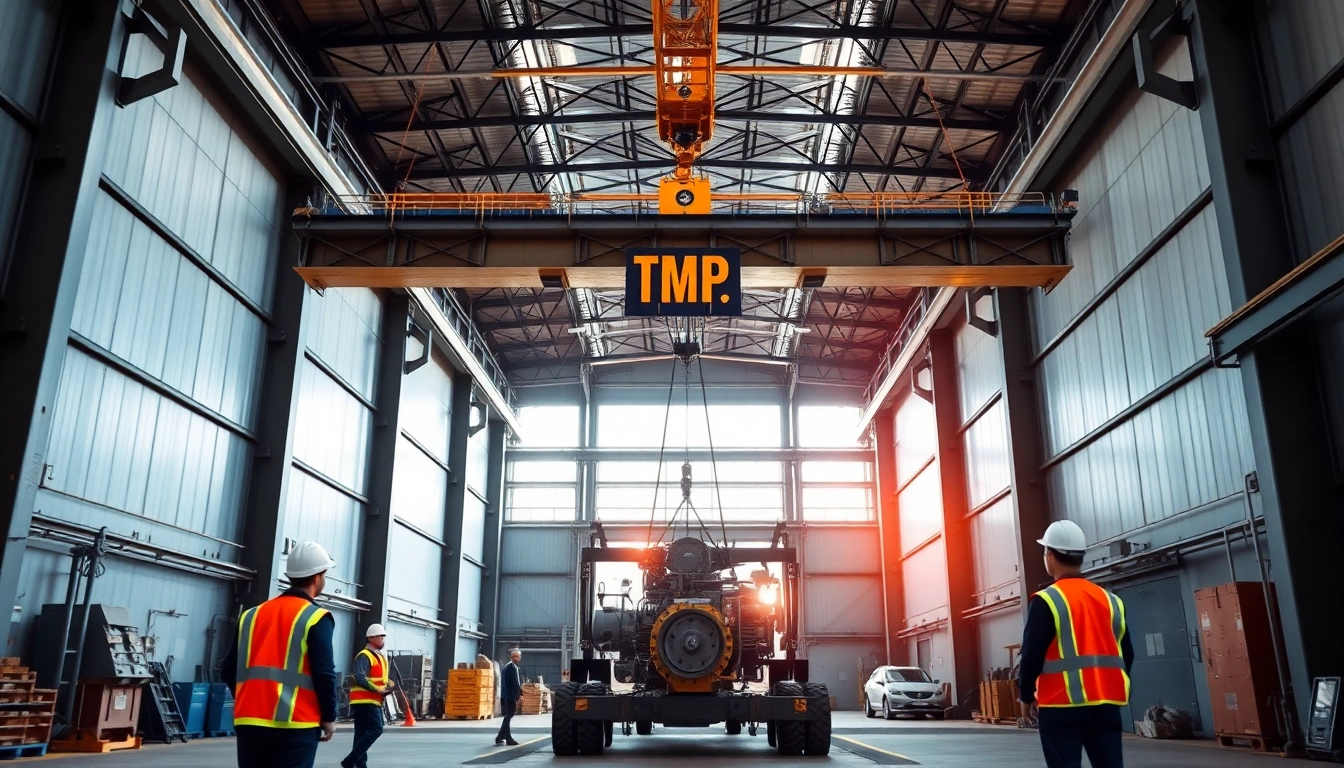
A bridge crane, often referred to as an overhead crane, consists of a horizontal beam, known as the bridge, which is supported by two end trucks that run along parallel rails or runways. This design allows the crane to move loads horizontally across the workspace while the hoist lifts them vertically. The mechanism typically features electric or manual controls to operate the hoist and bridge movement. Bridge cranes can be configured in multiple ways depending on the load requirements, the nature of the workspace, and the frequency of use.
Key Benefits of Using a Bridge Crane in Your Facility
- Improved Efficiency: Bridge cranes significantly reduce the time spent moving materials by allowing for quick repositioning of loads within large industrial spaces.
- Enhanced Safety: By mechanizing heavy lifting, bridge cranes minimize the risk of injury associated with manual handling.
- Space Optimization: Unlike traditional forklifts, bridge cranes do not require extra aisle space, enabling better layout configurations for maximizing usable floor space.
- Versatility: These cranes can handle a wide range of loads, from small items to heavy machinery, making them suitable for various applications.
Types of Bridge Cranes Available Today
Bridge cranes can be categorized into several types based on their design, purpose, and load capacity. Some common types include:
- Single Girder Bridge Cranes: Designed for lighter loads, these cranes are cost-effective and space-saving, making them ideal for smaller operations.
- Double Girder Bridge Cranes: These provide increased lifting capacity and can accommodate large hoists, suitable for heavy industrial applications.
- Freestanding Bridge Cranes: Mounted independently from building structures, these cranes can be transported and reconfigured according to operational changes.
- Jib Cranes: Although technically different, jib cranes are often used in tandem with bridge cranes for more localized lifting tasks.
Choosing the Right Bridge Crane for Your Needs
Selecting the appropriate bridge crane for your operations involves a careful evaluation of several factors that can influence performance and efficiency. Understanding your specific requirements will ensure that the crane you choose meets or exceeds your operational expectations.
Factors to Consider When Selecting a Bridge Crane
- Load Capacity: Determine the maximum weight that your crane must lift and select a model that meets or exceeds this requirement.
- Span and Height: Measure the space where the crane will be installed to ensure that it fits within available dimensions while allowing for optimal lifting height.
- Environment: Consider the operating conditions, such as temperature, humidity, and potential hazards that may impact crane performance.
- Frequency of Use: Assess how often the crane will be in operation to determine whether you need a robust model capable of continuous usage.
Identifying Your Load Capacity Requirements
Understanding your load capacity needs is critical in selecting a suitable bridge crane. Load capacity not only determines the crane's specifications but also impacts safety and efficiency. It is essential to account for the maximum weight you anticipate lifting, including any dynamic loads and potential overloading situations. Keep in mind that choosing a crane with a slightly higher capacity than your immediate needs can offer added safety and flexibility in operations.
Common Misconceptions about Bridge Cranes
Despite their popularity, there are several misconceptions surrounding bridge cranes that can lead to improper utilization:
- Only for Heavy Lifting: While bridge cranes excel in heavy-load scenarios, they are equally effective for lighter applications.
- High Maintenance Costs: Modern bridge cranes are designed for durability and efficiency, resulting in lower maintenance costs over time.
- Limited to Industrial Use: Bridge cranes have applications in various settings, including warehouses, assembly lines, and even shipping docks.
Bridge Crane Installation: Steps and Best Practices
Proper installation of a bridge crane is crucial to ensure safe and efficient operations. Careful planning and execution are required to maximize the benefits and lifespan of the equipment.
Preparing Your Facility for Bridge Crane Installation
The first step in installing a bridge crane is to prepare your facility accurately. This preparation includes assessing the structural integrity of the building and ensuring it can support the crane’s weight. Proper electrical supply and safety features should also be in place. This may involve consulting engineers or crane specialists to ensure all installations meet industry standards.
Choosing the Right Location for Your Bridge Crane
Location is key when it comes to bridge crane installation. Cranes should be positioned in areas that facilitate efficient workflow, minimizing movement around obstacles. Additionally, the location must allow for adequate headroom, easy access, and minimal interference with other equipment and personnel.
Safety Standards and Compliance Regulations
Compliance with local and national safety regulations is imperative during the installation of bridge cranes. Familiarize yourself with Occupational Safety and Health Administration (OSHA) regulations along with other applicable industry standards. Regular inspections and certifications should be scheduled to ensure continued compliance and safety.
Maintenance and Safety for Bridge Cranes
To ensure the longevity and efficiency of your bridge crane, regular maintenance is essential. Routine checks and balances can prevent costly downtimes and ensure safe operations.
Essential Maintenance Practices for Longevity
- Regular Inspections: Conduct thorough inspections of the crane’s components, including the hoist, cables, and controls, to identify wear and tear.
- Lubrication: Ensure that all moving parts are properly lubricated to minimize friction and prevent mechanical failure.
- Load Testing: Perform load testing periodically to verify that all components can handle designated weight limits without compromising integrity.
- Documentation: Maintain detailed records of inspections, repairs, and maintenance to track the crane’s history and performance.
Common Safety Issues and How to Avoid Them
Safety is paramount when operating bridge cranes. Some common safety issues include:
- Operator Error: Ensure all operators are trained in the proper use of the crane to avoid accidents caused by human error.
- Overloading: Train employees to recognize weight limits and use load indicators to prevent overloading.
- Obstruction Hazards: Maintain clear pathways and areas around the crane to prevent collisions with other equipment or personnel.
How to Train Your Staff on Bridge Crane Safety
Implementing a comprehensive safety training program for staff is essential. This should cover operational procedures, emergency response protocols, and the use of Personal Protective Equipment (PPE). Regular refresher courses and ongoing safety meetings can reinforce safe practices and promote a culture of safety in the workplace.
Future Trends in Bridge Crane Technology
As technology continues to advance, bridge cranes are evolving to include innovative features that enhance efficiency, safety, and ease of use. Staying informed about these trends is beneficial for making future upgrades.
Innovative Features to Look for in 2025
New technologies are emerging that promise to improve crane operations. Features such as integrated sensors for load monitoring, advanced control systems, and mobile app interfaces for remote operation are set to revolutionize the use of bridge cranes.
Impact of Automation on Bridge Crane Operations
Automation is increasingly becoming a focal point in material handling. With automated bridge cranes, tasks that traditionally required manual input can now be performed efficiently and accurately, minimizing human error and maximizing productivity. This shift not only streamlines operations but also allows for a more consistent and reliable performance.
Predicting the Future of Bridge Cranes in Industry
As industries continue to modernize, the demand for advanced bridge cranes will likely increase. The focus will shift towards smart cranes, capable of adapting to real-time data inputs to optimize load management and operational efficiency. Companies that invest in these advanced systems will gain competitive advantages through improved safety and productivity.