Understanding Mini Cattle: A Comprehensive Overview
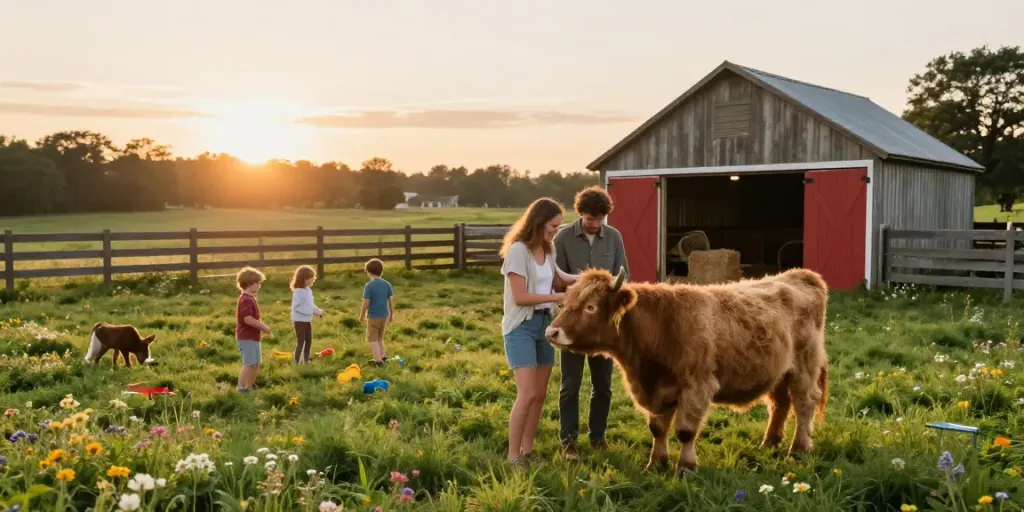
Mini cattle are becoming increasingly popular among farmers and hobbyists alike, offering a unique blend of charm and utility. These compact bovines, often less than 48 inches tall, provide an ideal solution for small farms and homesteads where space is limited. With the ability to produce milk, meat, and serve as delightful companions, mini cattle can fulfill a variety of needs. When exploring options, mini cattle offer diverse breeds that cater to different purposes, from pets to livestock.
What Are Mini Cattle?
Mini cattle, as the name suggests, are smaller versions of traditional cattle breeds. Their reduced size allows them to thrive in environments where standard-sized cows may be impractical due to space and resource constraints. Commonly raising breeds include Mini Hereford, Mini Jersey, and Mini Highland cows, each characterized by specific traits and attributes. These cattle generally stand between 36 to 48 inches tall at the hip and weigh between 500 to 800 pounds, depending on the breed.
Benefits of Raising Mini Cattle on Your Farm
The benefits of raising mini cattle are numerous:
- Space Efficiency: Mini cattle require significantly less space compared to their larger counterparts, making them ideal for small farms or urban settings.
- Lower Feed Requirements: Their smaller stature means lower feed consumption, which can lead to reduced operational costs.
- Ease of Handling: Due to their size, mini cattle are easier to manage, especially for those who may not have experienced working with larger animals.
- Unique Aesthetics: Many find mini cattle to be visually appealing, adding a unique charm to their farms or properties.
Common Mini Cattle Breeds and Their Characteristics
Here are a few common breeds of mini cattle:
- Mini Hereford: Known for their docile temperament and distinctively cute appearance, Mini Herefords are perfect for both novice and experienced farmers.
- Mini Jersey: These small dairy cattle are excellent milk producers, known for their creamy, rich milk.
- Mini Highland: With their shaggy coats and long horns, Mini Highland cattle are not only hardy but also incredibly photogenic.
- Mini Zebu: These tropical cattle are well-suited to warmer climates and are known for their unique hump and gentle disposition.
Choosing the Right Mini Cow for Your Needs
Selecting the perfect mini cow involves careful consideration of various factors to meet your specific needs. From breed characteristics to intended use, each decision requires reflection to ensure a suitable match for your lifestyle and farming goals.
Factors to Consider When Selecting Mini Cattle
When looking for the right mini cow, consider the following factors:
- Purpose: Determine if the mini cow is for companionship, milk production, or for beef.
- Space Availability: Assess how much space you can dedicate to the cow and ensure the breed you choose fits within those limitations.
- Temperament: Each breed has unique temperaments; ensure you choose one that aligns with your farming style and capabilities.
- Care Requirements: Consider the health and maintenance needs of the breed, including housing, feeding, and veterinary care.
Comparing Different Mini Cow Breeds
It is crucial to compare various breeds against your farming needs. For instance, if you prioritize milk production, Mini Jerseys are a fantastic choice. Alternatively, if you desire a cow for aesthetics and companionship, Mini Highlands or Zebu may be ideal.
Understanding Mini Cattle Pricing and Value
The cost of mini cattle varies significantly based on breed, age, and lineage. Typically, prices can range from a few hundred to several thousand dollars. Understanding the market and what constitutes good value for a specific breed will be crucial for making an informed purchase. As demand for mini cattle rises, keep an eye on market trends and breed availability to ensure you're getting the best deal.
The Purchasing Process for Mini Cattle
Buying a mini cow can be a thrilling experience, but it also involves a structured process to ensure that all legal and ethical standards are met. Here’s a step-by-step guide to help you navigate the purchasing process effectively.
How to Buy a Mini Cow: Step-by-Step Guide
- Research: Start by researching various breeders, their reputations, and the distinct characteristics of the breeds they offer.
- Visit the Breeder: If possible, visit the farm to meet the animals and assess their living conditions. This ensures that you are supporting ethical breeding practices.
- Inquire About Availability: Many breeders have animals available for reservation. Inquire about specific breeds and their characteristics.
- Review Animal Profiles: Check the profiles for each available mini cow, including photographs, health status, and any history.
- Finalize the Purchase: Once you have found a suitable cow, complete all necessary paperwork, including ownership transfer documents.
Documents and Certifications Needed
Ensure you acquire all necessary documents during the purchasing process, including:
- Health Certificates: Ensure the mini cow is healthy and free of diseases.
- Ownership Transfer Papers: These documents convey legal ownership from the seller to the buyer.
- Breed Registration Papers: If applicable, ensure the animal is registered with a recognized breed association.
Transporting Your Mini Cow: What to Expect
Transportation is a critical part of the purchasing process. Ensure that the breeder provides safe and humane transportation options. Discuss the logistics with the seller, including the expected delivery timeframe and costs, and confirm the arrangements prior to the actual transport.
Mini Cattle Care and Management Best Practices
Caring for mini cattle involves understanding their specific needs regarding nutrition, healthcare, and environment. Proper care leads to healthier animals and a more rewarding farming experience.
Feeding and Nutrition for Mini Cattle
Mini cattle require a balanced diet tailored to their size and breed. This diet may include:
- Hay: Quality hay should make up a significant portion of their diet.
- Pasture: Access to pasture allows for natural grazing, which is beneficial for their health.
- Grain: Depending on the purpose (dairy vs. meat), grain supplements may be necessary for optimal growth and milk production.
Health Care Tips for Miniature Cattle
Regular health checks are vital. Key aspects to consider include:
- Vaccinations: Keep up-to-date with suggested vaccines to prevent common cattle diseases.
- Regular Veterinary Visits: Schedule routine check-ups to monitor overall health.
- Treatments: Be prepared to address any health issues promptly to avoid complications.
Creating a Comfortable Environment for Your Mini Cows
Providing a safe and comfortable environment is essential. Consider the following:
- Fencing: Ensure your property is securely fenced to protect the cattle and prevent them from wandering.
- Shelter: Cattle need adequate shelter from harsh weather conditions.
- Space: Designate enough space for them to move freely and interact.
Future Trends in Mini Cattle Farming
As interest in miniature cattle grows, so do the practices and trends surrounding their breeding and care. Keeping an eye on these emerging trends can help ensure your mini cattle farming practices remain current and effective.
Emerging Practices for Miniature Cattle Breeding
With advancements in genetics and breeding techniques, farmers are discovering new ways to enhance desirable traits in mini cattle. Innovations such as artificial insemination are becoming more common, allowing for better pedigree management without the need for extensive physical logistics.
Sustainability in Mini Cattle Farming
Sustainable farming practices are gaining traction across all agricultural sectors, including mini cattle. This includes rotating pastures, using organic feed, and ensuring minimal environmental impact from cattle farming activities.
Predictions for Mini Cattle in 2026 and Beyond
As consumer preferences evolve, the demand for mini cattle is projected to grow. This trend is fueled by the increasing popularity of small-scale and hobby farming. Additionally, as more individuals seek eco-friendly and sustainable farming options, mini cattle appear well-positioned to meet these needs.
How to Adapt to Changes in the Mini Cattle Market
Staying informed about industry trends and customer preferences is paramount. Engaging with the farming community, attending conventions, and regularly reading relevant publications can help you remain competitive.