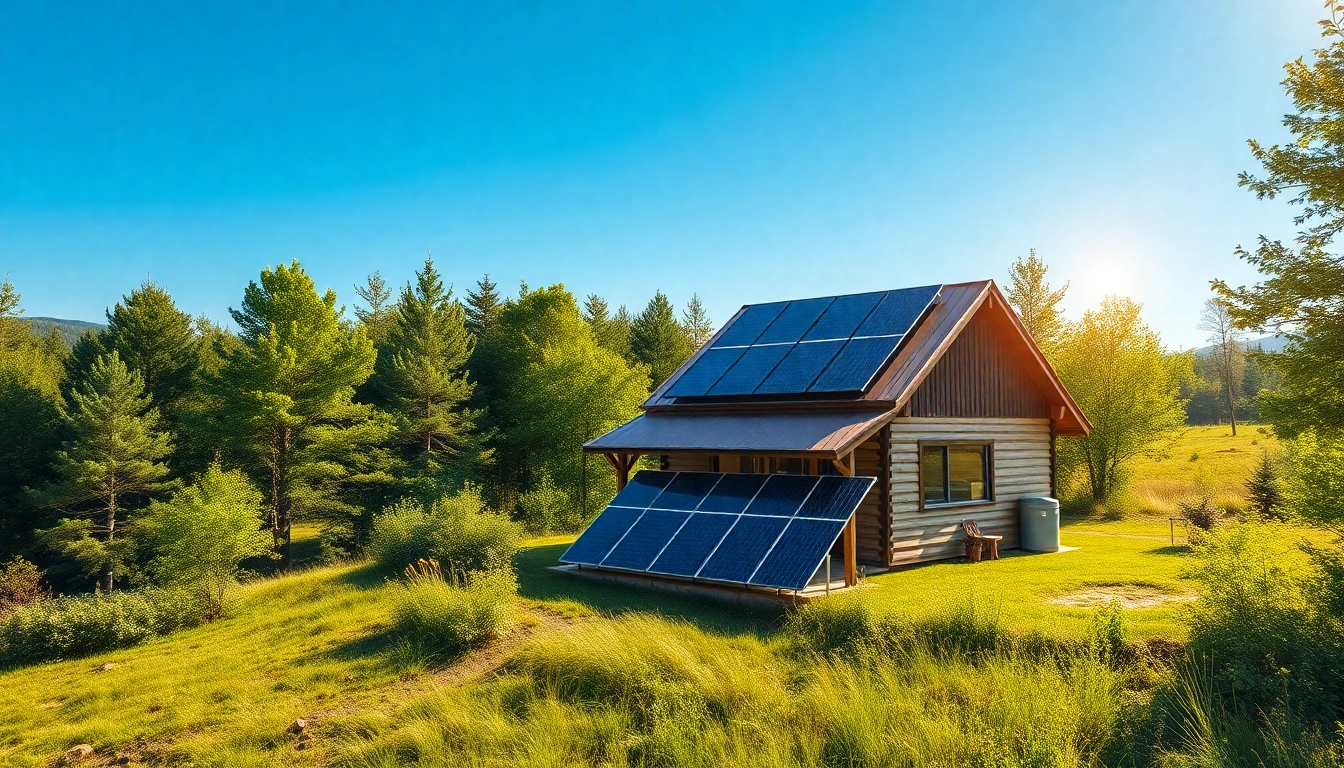
Understanding Off Grid Home Solar Systems
As the quest for sustainable energy solutions continues to grow, the appeal of Off grid home solar system installation has surged, particularly for those looking to escape reliance on traditional power grids. With advancements in solar technology, homeowners are now able to harness clean energy, achieve energy independence, and enjoy significant savings on their electricity bills. This comprehensive guide will delve into the nuances of off-grid solar systems, from their components and benefits to essential installation and maintenance tips.
Defining Off Grid Solar Power
Off grid solar power systems operate independently of the conventional electrical grid. Unlike grid-tied systems that connect to local utilities, off-grid systems store energy generated by solar panels in batteries. This stored energy is used to power home appliances and systems, ensuring a continuous supply of electricity, even when sunlight is not available. The primary components of these systems include solar panels, batteries, charge controllers, and inverters, all working synergistically to deliver reliable energy.
Key Components of Off Grid Systems
An effective off-grid solar system relies on four key components:
- Solar Panels: Typically, monocrystalline or polycrystalline, these panels convert sunlight into electrical energy.
- Batteries: Essential for storing the energy harnessed during sunny days for use during nights or cloudy weather. Lithium-ion and lead-acid batteries are common options.
- Charge Controller: This device regulates the voltage and current coming from the solar panels, ensuring proper charging of the batteries and preventing overcharging.
- Inverter: Converts the stored DC (direct current) power from the batteries into AC (alternating current) power, which is what most household appliances use.
Benefits of Going Off Grid
Choosing to go off-grid comes with a myriad of benefits:
- Total Energy Independence: Eliminate reliance on utility providers and enjoy autonomy over your energy consumption.
- Cost Savings: After the initial investment, many off-grid users witness a significant reduction in their monthly electricity bills.
- Environmental Impact: Off-grid systems are powered by renewable energy, reducing carbon footprints and promoting sustainability.
- Resilience: In an era of increasing natural disasters and power outages, off-grid systems provide a reliable source of energy no matter the external circumstances.
Choosing the Right Off Grid Home Solar System
Identifying the best off-grid solar system for your needs requires a careful assessment of your energy use and available components. Here are pivotal steps to consider:
Assessing Energy Needs for Your Home
Understanding your energy requirements is the first step to selecting an appropriate off-grid solar system. Begin by calculating your total daily energy use in kilowatt-hours (kWh). This involves listing all your appliances, their wattage, and the average number of hours they are used daily. Once you have this information, add up the kWh for a typical day:
- List all appliances and their wattages.
- Calculate daily kWh consumption (watts × hours used).
- Consider peak power demands during usage.
Comparing Solar Panel Types: Monocrystalline vs. Polycrystalline
When selecting solar panels, homeowners typically have the option between monocrystalline and polycrystalline panels:
- Monocrystalline: Known for their high efficiency and sleek appearance, these panels generally occupy less space and are more suited for limited roof areas.
- Polycrystalline: More affordable and slightly less efficient, these panels are ideal for larger installations where space is not a constraint.
Battery Options: Lithium vs. Lead-Acid
The choice of batteries significantly impacts the efficacy of the solar system. Consider these two prominent options:
- Lithium-Ion Batteries: Known for their longevity and deeper discharge capabilities, lithium batteries offer a higher upfront cost but outlast lead-acid batteries by several years.
- Lead-Acid Batteries: Typically less expensive, these batteries require more maintenance, have a shorter life span, and cannot be deeply discharged without reducing performance.
Installation and Setup of Off Grid Home Solar Systems
Proper installation is crucial for the long-term success of your off-grid solar system. Homeowners have the option to either undertake a DIY installation or hire professional help.
DIY Installation: Pros and Cons
While a DIY installation can save on labor costs, it requires significant time investment and technical knowledge. Pros include lower initial investment and hands-on experience with your system. However, the cons may include the potential for mistakes leading to extra costs down the line.
Hiring Professionals: What to Expect
Engaging professionals for installation provides peace of mind. Experienced installers can ensure that your system is efficiently set up, compliant with regulations, and well-maintained. Expect to budget for their services, which often include design, installation, and post-installation support.
Permits and Regulations to Consider
Before installation, ensure you are aware of local building codes and regulations regarding solar power systems. Permitting may vary significantly by locality, and complying with these regulations is essential to avoid potential fines or complications.
Maintaining Your Off Grid Solar System
To maximize the performance and lifespan of your off-grid solar system, regular maintenance is vital. Here are some key practices:
Regular Maintenance Tips for Longevity
- Check and clean solar panels regularly to avoid buildup of dirt and debris.
- Inspect batteries for corrosion and ensure clean terminal connections.
- Monitor the performance of your inverter to ensure it operates within normal parameters.
How to Troubleshoot Common Issues
If your system experiences issues, common troubleshooting steps include checking connections, inspecting for shading on solar panels, and testing batteries. Keeping a log of any discrepancies in energy output can also help identify problems faster.
Maximizing Efficiency of Your Solar Setup
To ensure your off-grid solar system runs efficiently:
- Consider the orientation and angle of solar panels for optimal sunlight capture.
- Use energy-efficient appliances to reduce overall consumption.
- Implement a solar monitoring system to track your energy production and usage.
Future Trends in Off Grid Solar Technology
As we move towards sustainability in 2025 and beyond, several trends are emerging in the off-grid solar industry:
Emerging Innovations in Solar Technology for 2025
Technological advancements are paving the way for more efficient solar systems, including improved battery storage solutions, smart energy management systems, and even solar roofing tiles that integrate seamlessly into home design.
Impact of Climate Policy on Off Grid Solutions
Government incentives and policies aimed at reducing carbon emissions can significantly affect the adoption of off-grid solar solutions. Homeowners may find themselves benefiting from tax credits or rebates for installing renewable energy systems.
Consumer Shifts Towards Renewable Energy
In an era of increasing environmental awareness, consumers are progressively leaning towards sustainable energy options. This shift is likely to drive innovation and make off-grid systems more accessible and affordable.