
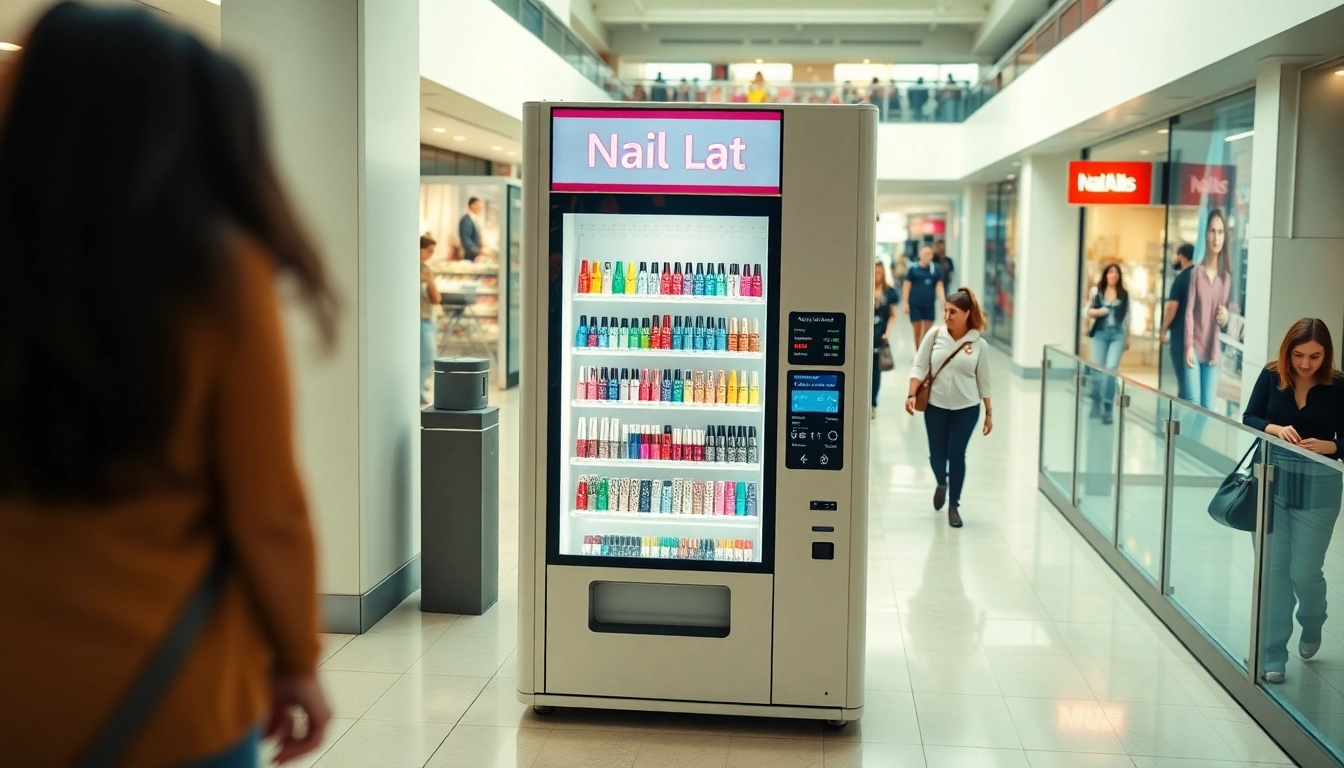
Understanding Nail Vending Machines
Nail vending machines are revolutionizing the beauty industry, offering a convenient solution for consumers seeking nail art and care products on-the-go. They provide an automated platform that enables customers to access a variety of nail products without needing to visit a salon or store, making it an innovative addition to beauty retail. As technology advances, the demand for such automated solutions has surged, and companies like IMT are at the forefront of this trend. When exploring options, nail vending machine providers can offer comprehensive insights into customization and technology integration.
The Concept of Nail Vending Machines
At their core, nail vending machines are designed to dispense a range of nail-related products, including press-on nails, nail polish, and nail care accessories. These machines are typically equipped with touchscreens for easy navigation, allowing users to browse through various options. Some advanced models even feature technology for personalized nail art printing, enabling customers to enjoy a bespoke service at their convenience.
How Nail Vending Machines Work
The operation of nail vending machines involves several key components. First, the user interacts with a touchscreen interface, selecting their preferred products from a catalog displayed on the screen. Once a selection is made, the machine automatically dispenses the product. Payment methods are typically flexible, accommodating credit cards, mobile payments, and other digital wallets. Furthermore, these machines are often equipped with inventory management systems that alert operators when stocks need replenishing, ensuring popular items remain available.
Benefits for Beauty Retailers
- Accessibility: By placing nail vending machines in high-traffic areas such as shopping malls, airports, and salons, retailers can reach a broader customer base.
- Lower Overheads: Operating a vending machine incurs fewer costs compared to a brick-and-mortar store, reducing the financial burden on retailers.
- 24/7 Availability: These machines can operate around the clock, providing consumers with access to products at any time.
- Innovative Marketing: Vending machines can be branded and customized, attracting attention and encouraging impulse purchases.
Market Trends in Nail Vending Machines
Growth of Beauty Automation in 2025
The demand for beauty automation is anticipated to grow significantly in the coming years, with vending machines being a major contributor. This growth is driven by consumer preferences for convenience and speed, particularly among younger demographics that value time-efficient solutions. Additionally, as technology becomes more integrated into daily life, beauty automation will increasingly align with consumer expectations for instant gratification.
Consumer Preferences and Innovations
As customer preferences evolve, nail vending machines have adapted to incorporate new features that enhance user experience. For instance, innovations such as customizable nail art options or eco-friendly product lines are becoming common, addressing growing consumer interests in sustainability and individuality. Furthermore, data analytics allows operators to gauge customer preferences and adjust inventory accordingly, optimizing sales and improving customer satisfaction.
Competitive Analysis of Nail Vending Solutions
In the competitive landscape of nail vending machines, companies like Fingernails2Go and others have emerged, offering diverse products and features. An analysis of these competitors highlights several factors influencing market success, such as pricing strategies, product variety, and customer engagement through social media and influencer partnerships. Establishing a unique selling proposition is crucial for standing out in this saturated market.
Installation and Location Strategies
Best Locations for Nail Vending Machines
Choosing the right installation location for nail vending machines is critical to maximizing visibility and sales. Ideal placements include:
- Malls: High foot traffic areas where consumers are likely to make impulse purchases.
- Airports: Travelers often seek quick beauty solutions during layovers.
- Salons: Existing beauty establishments can enhance their service offerings.
- Gyms and Spas: Health-conscious consumers frequently look for quick beauty fixes post-workout.
Permits and Regulations for Operating in Different Areas
Before installing a nail vending machine, operators must be mindful of local regulations and permits required for vending operations. Each state may have varying criteria, so it’s essential to consult local authorities to ensure compliance with health and safety standards, as well as business licensing. This diligence helps avoid fines and operational disruptions.
Creating Attractive Installations
To engage consumers and encourage use, nail vending machines should be visually appealing and well-maintained. Effective installation strategies include:
- Interactive Displays: Use bright colors and inviting graphics to attract attention.
- Promotions: Implement promotional signage to advertise special offers or new products.
- Quality Products: Ensure the machine is stocked with high-quality items that resonate with consumer preferences.
Choosing the Right Nail Vending Machine
Essential Features to Look For
When selecting a nail vending machine, retailers should consider the following features:
- User-Friendly Interface: The machine should be easy to navigate, allowing customers to make selections quickly.
- Payment Flexibility: Accept a range of payment methods to accommodate all consumer preferences.
- Product Variety: Offer diverse products to cater to different customer needs.
- Smart Inventory Management: Ensure the machine can track product levels and alert operators for restocking.
Cost Considerations and ROI
Investing in a nail vending machine involves several costs, including initial purchase, installation, and ongoing maintenance. Retailers should conduct a thorough analysis to calculate the expected return on investment (ROI). Key considerations include:
- Initial Costs: Assess the price of the vending machine and delivery.
- Running Costs: Factor in maintenance, inventory costs, and location rental fees.
- Sales Projections: Base predictions on foot traffic and consumer interest in the area.
Comparing Different Models Available
With various models available, retailers should assess each based on features, pricing, and customer reviews. A comparison chart can be beneficial for visualizing differences and making informed decisions. Additionally, reaching out to existing operators for feedback can provide valuable insights into performance and reliability.
Future of Nail Vending Machines
Emerging Trends and Technologies
The future of nail vending machines looks promising, with continuous advancements in technology. Future trends may include:
- Augmented Reality: Implementing augmented reality features that allow customers to visualize how products will look on them.
- AI Integration: Utilizing artificial intelligence to predict consumer trends and personalize recommendations based on purchasing history.
- Eco-Friendly Options: An increasing focus on sustainable products will drive demand for eco-conscious offerings in vending machines.
Customer Engagement Strategies
Maintaining customer engagement is vital for the success of nail vending machines. Effective strategies include:
- Social Media Promotions: Use platforms like Instagram and TikTok to showcase products and customer testimonials.
- Loyalty Programs: Introduce rewards for repeat customers to encourage continued business.
- Interactive Features: Consider features like quizzes to help customers find their ideal nail products.
Predictions for the Beauty Vending Landscape
Looking ahead, the beauty vending landscape is expected to become increasingly competitive and innovative. As consumer preferences shift toward convenience and personalization, businesses that adapt to these changes will be well-positioned for success. Companies that leverage technology to enhance consumer interactions and streamline operations will likely dominate the market by 2025.