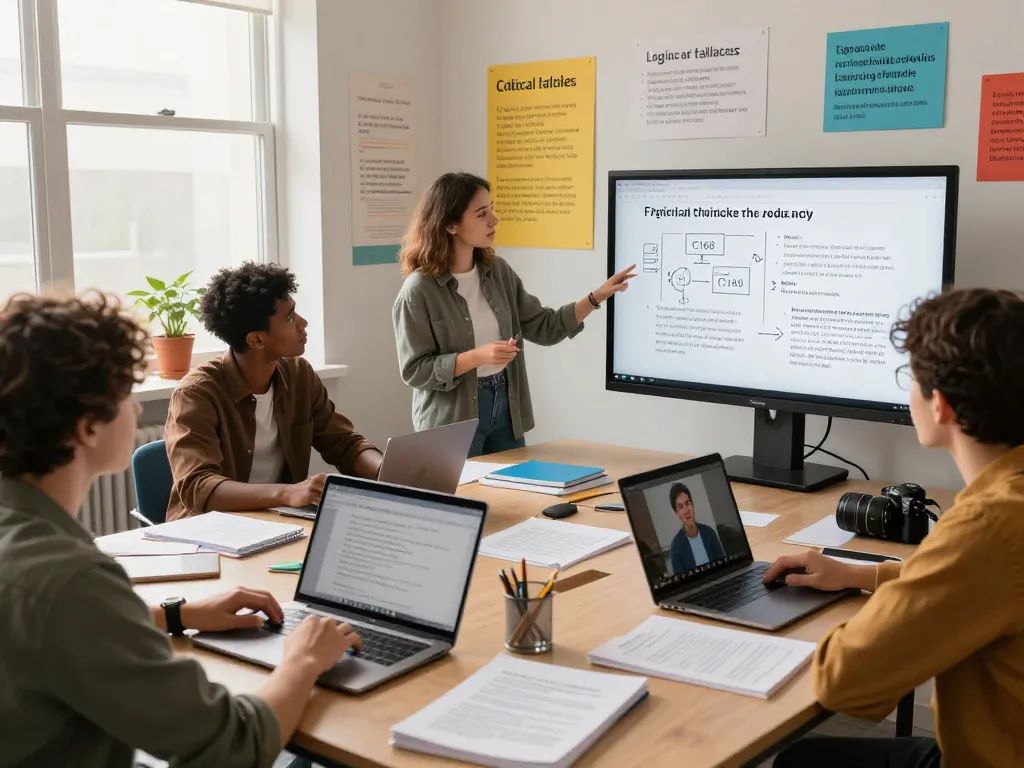
Understanding the Fundamentals of Education
Definition and Scope of Education
Education is a multifaceted concept that encompasses a system of teaching, learning, and assessment. It is primarily the means by which knowledge, skills, and values are transmitted from one generation to another. The scope of education is vast, extending from formal systems like schools and universities to informal learning environments such as community programs and self-directed learning. As we explore the dimensions of Education, it is essential to understand how it shapes individuals and societies at large.
The Importance of Lifelong Learning
Lifelong learning is the ongoing, voluntary, and self-motivated pursuit of knowledge for personal or professional development. In today's fast-paced world, where technology and societal norms are constantly evolving, the importance of lifelong learning cannot be overstated. Engaging in continuous learning equips individuals with the skills needed to adapt to changing job markets, enhancing their employability. Moreover, it fosters personal growth and fulfillment, often leading to greater civic involvement and improved quality of life.
Key Historical Milestones in Education
The journey of education has seen numerous milestones that have shaped its current state. From the ancient civilizations that established formal education systems, such as the Greeks and Romans, to the establishment of universities in the Middle Ages, these developments laid groundwork for contemporary educational institutions. The advent of the printing press revolutionized access to knowledge, while movements like the Enlightenment emphasized the importance of reason and critical thinking, transforming educational practices. In modern times, the civil rights movement has played a crucial role in advocating for educational equality, highlighting the ongoing evolution of education as a tool for social equity.
Current Trends in Education
Integration of Technology in Education
The integration of technology in education has transformed traditional classroom dynamics, enabling a more engaging and interactive learning experience. Tools such as learning management systems (LMS), educational apps, and virtual classrooms facilitate personalized learning and make educational resources more accessible. Technology, when used effectively, encourages collaboration among students and helps educators track progress in real time, allowing for timely interventions and support.
The Role of Experiential Learning
Experiential learning emphasizes learning through experience and reflection. It transforms theoretical concepts into practical applications, leading to deeper understanding and retention of knowledge. Programs that incorporate internships, field trips, and hands-on projects help students develop critical thinking and problem-solving skills. By immersing students in real-world contexts, experiential learning also cultivates enthusiasm for learning and equips them with competencies essential for future challenges.
Shifts in Educational Policy and Practice
Recent years have seen significant shifts in educational policy aimed at improving outcomes and promoting equity. Educational reforms focus on inclusive practices that cater to diverse learning needs, ensuring that all students can thrive in an equitable environment. Policies that advocate for teacher professional development, student-centered learning approaches, and community engagement in education represent a move towards holistic educational practices that recognize the complex needs of learners today.
Challenges Facing the Education Sector
Addressing Educational Inequality
Educational inequality remains a pressing issue worldwide, with disparities in access to quality education often reflecting socioeconomic status, geographic location, and systemic biases. To address these inequalities, stakeholders must focus on resource allocation, targeted interventions for underprivileged populations, and advocacy for policies promoting equitable access to educational opportunities. Fostering community partnerships can also support marginalized groups and bridge gaps in educational attainment.
Overcoming Barriers to Inclusive Education
Inclusive education aims to integrate all students, regardless of their abilities or backgrounds, into mainstream classrooms. However, barriers such as inadequate resources, lack of training for educators, and negative attitudes towards disability can hinder this goal. To overcome these challenges, it is crucial to invest in specialized training for teachers, enhance support systems for students with disabilities, and promote an inclusive culture that values diversity in education.
Strategies to Improve Student Engagement
Engaging students is fundamental to effective learning. Strategies to boost student engagement include integrating technology, fostering collaborative learning environments, and tailoring content to student interests. Educators should encourage active participation through project-based learning, discussions, and critical thinking exercises that challenge students to apply what they learn in meaningful ways. Regular feedback and recognizing student achievements also play a vital role in maintaining motivation and commitment to learning.
Best Practices for Effective Education
Implementing Innovative Teaching Methods
Innovative teaching methods, such as flipped classrooms, gamification, and inquiry-based learning, can enhance student learning experiences. These approaches encourage active participation and critical thinking by placing learners at the center of the educational process. Educators should continually seek out new methodologies and adapt their techniques to fit the needs of their students, ensuring that the learning environment remains vibrant and effective.
Measuring Educational Outcomes
Effective measurement of educational outcomes is essential to assess the quality of education and inform practice. Various assessment tools, including formative and summative assessments, offer insights into student progress and curriculum effectiveness. In addition to standard testing, alternative assessment methods like portfolios and peer evaluations can provide a more comprehensive understanding of student performance and learning growth. It is crucial for educators to analyze data effectively and use findings to refine their teaching strategies.
Collaboration Between Educators and Communities
Fostering collaboration between educators and communities can significantly enhance educational experiences. Community involvement provides students access to a wealth of resources, expertise, and mentorship opportunities. Partnerships with local organizations, businesses, and volunteers can enrich curricula by integrating real-world applications and support networks. Engaging families in the educational process also contributes to a supportive environment that promotes student success.
The Future of Education
Predictions for Emerging Educational Technologies
As technology continues to advance, we can anticipate innovative solutions that will further transform education. Artificial intelligence (AI), virtual reality (VR), and augmented reality (AR) hold immense potential to create immersive and adaptive learning experiences. These technologies can offer personalized learning paths, enabling students to progress at their own pace while fostering engagement and interactivity in their educational journeys.
Redefining Educational Success in a Changing World
The definition of success in education is evolving in response to societal needs and job market demands. Traditional metrics, such as standardized test scores, are increasingly being complemented by a focus on skills such as creativity, collaboration, and adaptability. Assessing educational success will require a holistic approach that considers not only academic achievement but also personal development and preparedness for life beyond school.
The Role of Educators in Future Learning Environments
Educators will continue to play a crucial role in navigating the future landscape of education. As facilitators of learning, they must foster environments that emphasize critical thinking, creativity, and emotional intelligence. Professional development and continuous learning for educators will be essential to prepare them to embrace new technologies and methodologies, ensuring they can meet the diverse needs of their students in an ever-changing world.