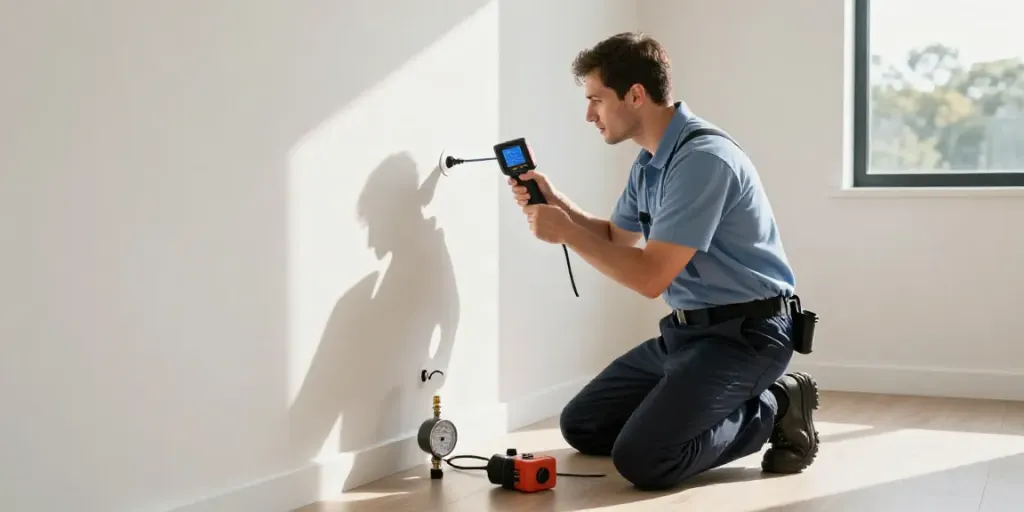
Understanding the Role of a New York City General Contractor
Embarking on a construction project in New York City can be both exciting and daunting. With the city's unique landscape and building requirements, the role of a general contractor becomes essential. A skilled New York City General Contractor acts as the linchpin of any construction or renovation endeavor, coordinating between clients and various stakeholders to ensure a project’s success.
What Does a General Contractor Do?
A general contractor (GC) manages the day-to-day operations of a construction project. This includes everything from hiring subcontractors and scheduling workers, to ensuring compliance with building codes and regulations. The GC also serves as a primary point of contact for homeowners, architects, and other professionals involved. Responsibilities typically include:
- Project planning and scheduling
- Budget management
- Procurement of materials
- Quality assurance and control
- Compliance with health and safety regulations
Key Qualifications to Look For
Identifying a qualified general contractor is crucial. Look for the following attributes and qualifications:
- Licensing: Ensure the contractor holds the necessary licenses specific to New York City regulations.
- Experience: A contractor with proven experience in projects similar to yours can bring valuable insights.
- Insurance: A reputable GC should have liability insurance and worker’s compensation coverage to protect all parties involved.
- References: A strong portfolio and positive testimonials from previous clients can indicate reliability.
Common Types of Projects Handled
General contractors work on a wide range of projects including:
- Residential renovations
- Commercial construction
- Public infrastructure projects
- Custom builds and developments
Understanding the types of projects a contractor specializes in will help you narrow down your options effectively.
Finding a Reputable New York City General Contractor
The search for a general contractor can feel overwhelming. However, following systematic steps can make it easier and more effective.
Researching Local Options
Start your search locally. Utilize online resources, community boards, and word of mouth to create a list of potential contractors. Websites dedicated to construction and renovations can also provide valuable insights, showcasing contractors’ references and community ratings.
Checking Reviews and References
Online platforms such as construction referral sites and social media can help you gauge the reputation of a contractor. Look for reviews that highlight previous clients' experiences and ask for direct references. Contact these references to ask specific questions about their satisfaction, project handling, and any issues that arose.
Evaluating Past Projects and Testimonials
Ask for a portfolio demonstrating the contractor’s capabilities. Reviewing these completed projects provides insight into the contractor's style, quality, and type of work undertaken. Additionally, look for testimonials that speak to the contractor’s reliability and professionalism.
How to Interview a New York City General Contractor
Once you have shortlisted your candidates, the next step is to conduct personal interviews. This is your chance to determine which contractor is the best fit for your project.
Essential Questions to Ask
Prepare a list of questions that will help you identify the general contractor’s suitability for your project:
- What is your approach to project management?
- Can you provide a detailed estimate and breakdown of costs?
- How do you handle changes and unexpected issues during the project?
- What is your communication process with clients?
Assessing Communication Skills
Effective communication is critical for a successful partnership. Gauge how easily and clearly the contractor communicates. Are they approachable? Do they explain things in understandable terms? Clear communication can help avoid misunderstandings later.
Understanding Project Management Approaches
Ask the contractor how they manage their projects. Do they use any specific tools or software? What methods do they utilize to ensure timelines are met? A well-structured project management approach can make a significant difference in the efficiency and outcome of your construction project.
Negotiating Contracts with New York City General Contractors
Once you've identified the right contractor, the negotiation process begins. Crafting a clear contract is vital to safeguard your interests.
Key Contract Components to Consider
Your contract should include:
- Project scope and specifications
- Payment schedule
- Terms for additional costs
- Project timeline and completion dates
- Warranty information and procedures for handling defects
Understanding Pricing and Payment Structures
Clarify how payments will be structured. Will it be based on milestones, or a fixed price? Understanding the pricing structure upfront can help prevent disputes later. Ensure that any additional costs or changes are clearly explained in the contract.
Negotiating Timelines and Milestones
A project’s timeline is critical. Discuss and agree on realistic completion dates and important milestones. Use these to track progress and hold the contractor accountable throughout the project.
Best Practices for Working with Your New York City General Contractor
Having chosen a contractor and signed the contract, the focus now shifts to maintaining a productive working relationship.
Establishing Clear Lines of Communication
From the outset, set expectations about how often you expect updates and the preferred methods of communication. Regular check-ins can prevent many common issues that arise during construction.
Monitoring Project Progress
Stay engaged in the project by regularly visiting the site and discussing any concerns. Keeping up with progress helps maintain quality and timeliness, ensuring your project stays on track.
Handling Challenges and Changes Along the Way
Every construction project will face challenges. Approach these with a problem-solving mindset. Maintain open communication with your contractor to navigate changes effectively and ensure that any modifications to the original plan are documented and agreed upon.