

Defining Technology and Its Core Concepts
The Essence of Technology
At its core, technology represents the practical application of knowledge aimed at solving real-world problems. This intricate relationship between theory and practice is what distinguishes technology from mere scientific knowledge. Technology encompasses a wide range of tools, systems, and devices; from the simple wheel to advanced artificial intelligence algorithms. The evolution of technology is continuously driven by the human desire for efficiency, innovation, and improvement in quality of life. With every significant advancement, the boundary of what defines Technology expands, leading to new possibilities and challenges.
Types of Technology
Understanding the various types of technology is key to grasping its multifaceted role in society. We can categorize technology into several main types:
- Information Technology (IT): This includes hardware, software, and networks that enable the storage, retrieval, and communication of data. IT drives innovation in businesses and personal communication.
- Biotechnology: This branch utilizes biological processes and systems to develop products and technologies, such as medical advancements and agricultural enhancements.
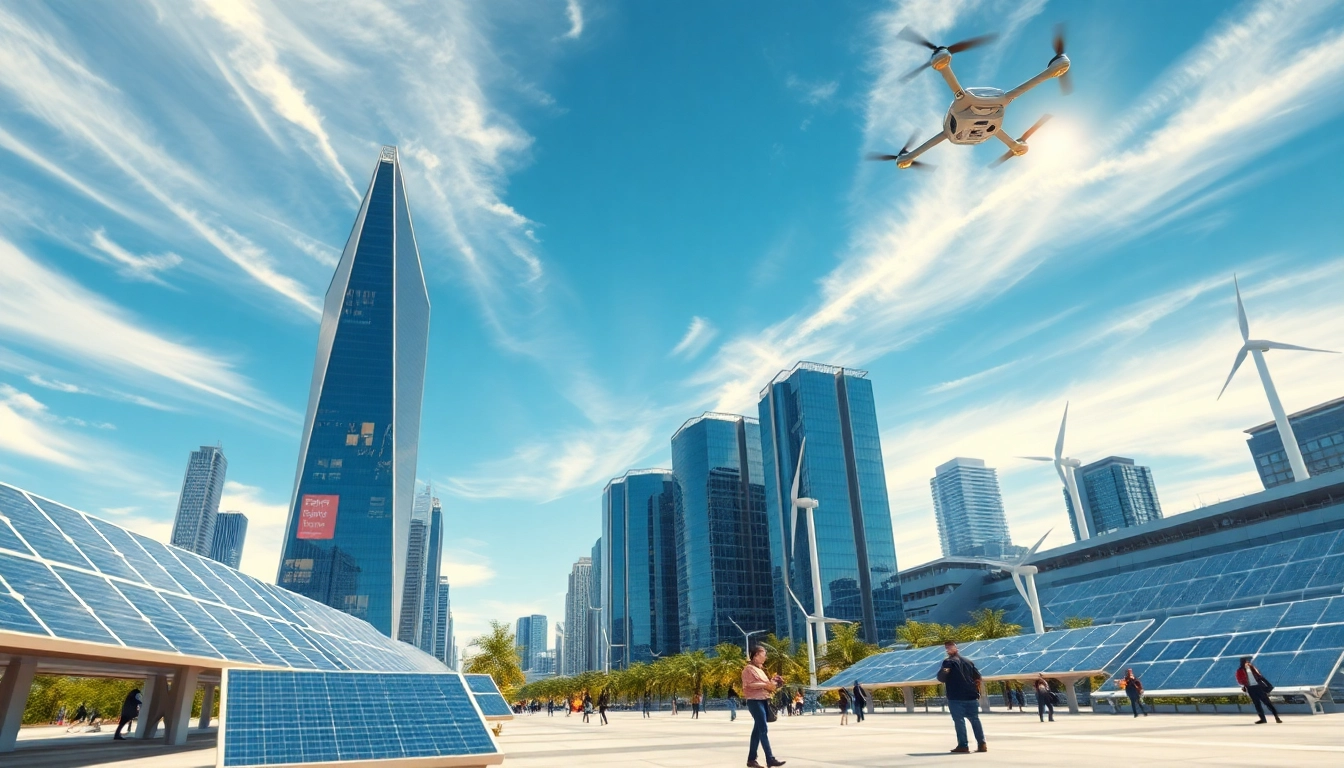
- Green Technology: Focused on sustainability, green technology aims to reduce negative impacts on the environment while promoting renewable resources.
- Robotics: Involving the design, construction, operation, and use of robots, this field intersects with many other types of technology and has revolutionized industries like manufacturing.
- Communication Technology: This involves tools and systems that facilitate communication over distances, reflecting the fundamental human need to connect.
Historical Context of Technology
The history of technology is a testament to human ingenuity and adaptability. From the invention of the wheel in ancient times to the development of the internet, each technological breakthrough has reshaped civilization. Historical context highlights the cyclical nature of technology; for every innovation that enhances efficiency, there are reactions and adaptations that prompt societal change. Ancient civilizations relied on simple tools for agriculture, while the Industrial Revolution brought machinery that transformed economies. Today, technological evolution continues to accelerate, driven by rapid advancements in fields like artificial intelligence and nanotechnology.
Exploring the Benefits of Technology
Enhancements in Efficiency
One of the most significant benefits of technology is the enhancement of efficiency in various aspects of life. In business, automation through software systems and robots streamlines operations, resulting in increased productivity and reduced labor costs. For instance, supply chain management systems leverage technology to optimize inventory levels and distribution networks, directly impacting a company’s bottom line. Similarly, personal productivity applications allow individuals to manage time effectively, minimizing wasted hours, and maximizing output.
Contribution to Communication
Technological advancements have revolutionized how individuals and organizations communicate. The advent of smartphones, social media, and video conferencing tools has transformed interpersonal communication from face-to-face interactions to digital exchanges that traverse geographical boundaries. Technology has fostered an environment where collaboration is easier and more efficient. Companies can now have teams working remotely across the globe, connected via technology, facilitating a more diverse and flexible workforce.
Technology’s Role in Education
Education has seen a radical transformation with the integration of technology into the classroom. Technologies such as e-learning platforms, online assessment tools, and interactive whiteboards have created versatile learning environments. Students can access rich resources, engage in collaborative projects, and participate in distance learning, breaking away from traditional and geographical barriers. The use of technology in education not only helps educators tailor learning experiences to individual needs but also prepares students for a technology-driven workforce.
The Challenges and Risks Associated with Technology
Data Privacy and Security
As technology becomes more integrated into daily life, concerns over data privacy and security have surged. The collection and processing of personal data by various online services pose significant risks. Breaches and cyber-attacks are increasingly common, leading to identity theft and financial loss. Organizations must invest in robust security measures and ensure compliance with regulations to protect user data and maintain trust.
Social Implications
Technology’s pervasive presence has profound social implications. The digital divide highlights disparities in access to technology based on socioeconomic status, affecting opportunities and quality of life. Moreover, excessive reliance on technology can lead to social isolation, as face-to-face interactions diminish. Balancing technology use with interpersonal communication is essential to mitigate these risks and foster meaningful connections.
Environmental Impact of Technology
The environmental impact of technology, particularly in terms of e-waste and resource depletion, is a growing concern. The production and disposal of technological devices contribute significantly to pollution and energy consumption. Striving for sustainable practices in the development and recycling of technology is crucial for minimizing harm to the planet. Innovations in green technology aim to address these challenges by promoting energy efficiency and reducing waste.
Innovations and Trends Shaping the Future of Technology
Artificial Intelligence and Machine Learning
Artificial Intelligence (AI) and Machine Learning (ML) represent some of the most transformative innovations in recent years. These technologies enable machines to learn from experience and improve their performance without explicit programming. Applications range from natural language processing in virtual assistants to predictive analytics in various sectors, enhancing decision-making processes. As AI continues to evolve, its ability to analyze vast amounts of data will fundamentally alter industries and societies.
Blockchain Technologies
Blockchain technologies have emerged as significant disruptors in fields such as finance, supply chain management, and healthcare. By providing a decentralized and tamper-proof record of transactions, blockchain enhances security and accountability. This technology enables secure peer-to-peer transactions without intermediaries, which can reduce costs and enhance efficiency. As blockchain matures, further applications in various industries are likely to be explored, paving the way for innovations that could redefine operational paradigms.
Sustainable Technologies
The push towards sustainability is driving innovations in technology that focus on positive environmental impact. Sustainable technologies emphasize clean energy sources, waste reduction, and resource efficiency. The rise of electric vehicles, renewable energy systems like solar and wind power, and smart grids exemplifies this trend. As awareness of environmental challenges increases, so does the demand for technologies that promote sustainability and reduce our carbon footprint.
Measuring the Impact of Technology: Metrics and Data
Quantitative Assessments of Technology
Understanding the impact of technology requires a systematic approach to measuring its performance and returns. Quantitative assessments can involve metrics related to productivity, cost savings, and efficiency. For example, businesses can analyze data before and after implementing a technology solution to evaluate performance improvements. Key Performance Indicators (KPIs) can include metrics such as return on investment (ROI), energy efficiency gains, and customer satisfaction scores.
Qualitative Studies on User Experience
Alongside quantitative assessments, qualitative studies provide valuable insights into user experiences and perceptions regarding technology. Surveys, interviews, and focus groups can yield in-depth understanding of how individuals interact with technology. This human-centric approach aids in identifying usability challenges, areas for improvement, and the overall satisfaction of users, providing a well-rounded picture of technology’s impact.
Future Predictions Based on Current Trends
To predict the future impact of technology, it is essential to analyze current trends. As advancements in AI, blockchain, and sustainable practices continue, the trajectory of technology will likely lead towards greater integration into daily life and operations. Future predictions may encompass the merging of physical and digital realities through technologies like augmented reality (AR) and virtual reality (VR), enhancing experiences in entertainment, education, and commerce. By remaining attuned to these evolving trends, society can proactively address potential challenges and leverage technology for enhanced quality of life.