

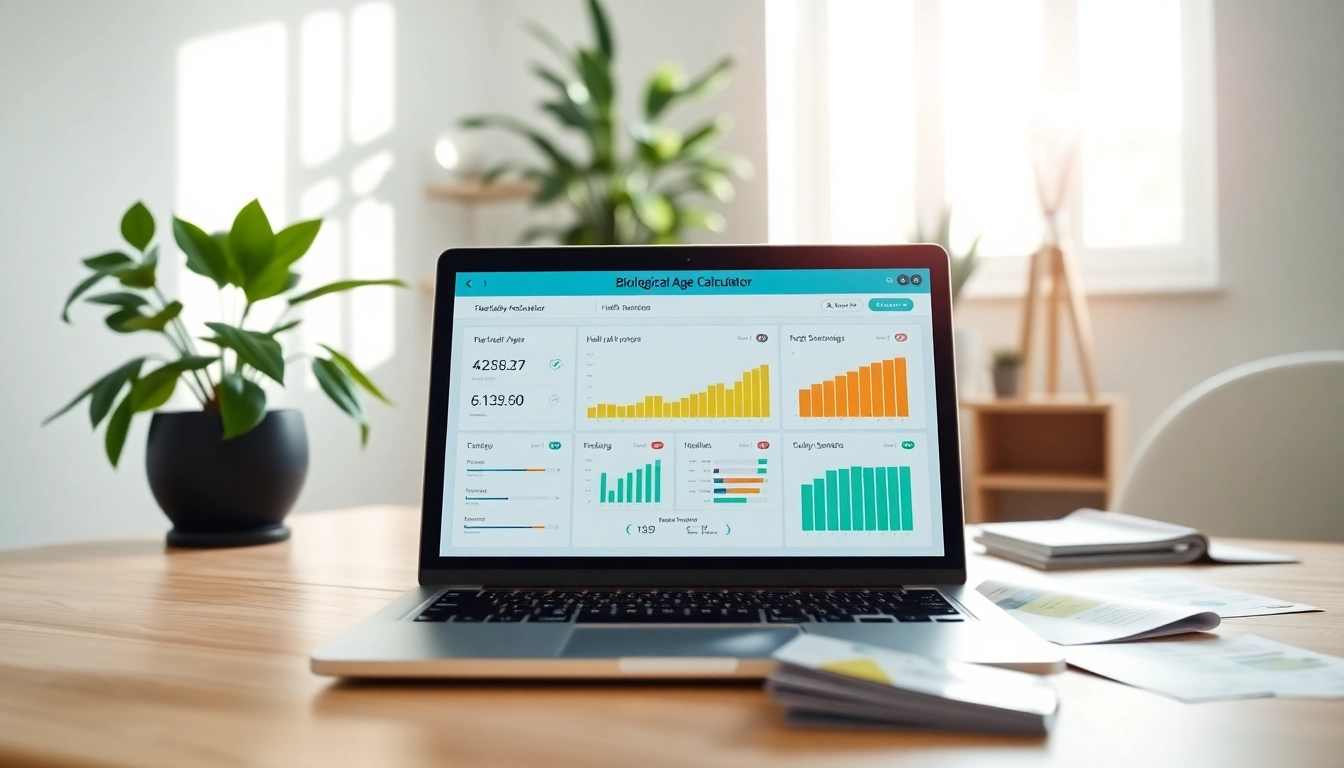
Understanding Biological Age: What It Means for Your Health
As medical science advances, the concept of biological age has gained significant attention, emerging as an essential metric for assessing health and longevity. Unlike chronological age—which simply counts the years since birth—biological age reflects the physiological condition of an individual, indicating how well the body is aging. By understanding and utilizing a biological age calculator, individuals can gain valuable insights into their health status and make informed lifestyle choices.
Defining Biological Age vs. Chronological Age
The distinction between biological age and chronological age is crucial for health assessments. While chronological age is a straightforward tally of years lived, biological age considers various health markers, lifestyle habits, and genetic factors. Essentially, biological age may be lower or higher than chronological age, depending on a person’s health and lifestyle. For instance, a 50-year-old who leads a healthy lifestyle, exercises regularly, and maintains a balanced diet may have a biological age of 45, while a peer with poor health habits could have a biological age of 55.
Importance of Knowing Your Biological Age
Understanding one’s biological age can provide critical insights into health risks and longevity. Individuals with a higher biological age than their chronological age may be at increased risk for health issues such as cardiovascular diseases, diabetes, and other age-related disorders. By calculating and regularly monitoring biological age, individuals can tailor their health interventions, adopting healthier behaviors that can slow down the aging process.
Common Misconceptions About Biological Age
There are several misconceptions regarding biological age, which can hinder individuals from fully utilizing this information to improve their health outcomes. One common myth is that biological age can be solely determined by one’s chronological age. In reality, biological age is influenced by lifestyle choices, environment, genetics, and various health markers. Another misconception is that once someone’s biological age is calculated, it remains static. In fact, biological age can fluctuate based on changes in health behaviors, allowing for dynamic health management.
How the Biological Age Calculator Works
Key Metrics Used in Calculating Biological Age
A biological age calculator typically considers a variety of metrics, including but not limited to:
- Genetic Factors: Genetic predispositions can inform biological age, impacting various physiological processes.
- Lifestyle Habits: Diet, exercise, smoking, and alcohol consumption are crucial factors in determining biological age.
- Health Markers: Blood tests measuring cholesterol, blood pressure, glucose levels, and other biomarkers can provide insight into how the body is functioning relative to its age.
- Physical Fitness: Metrics related to muscle strength, flexibility, and cardiovascular fitness are also essential for understanding biological age.
How to Input Data for Accurate Results
Inputting data into a biological age calculator requires careful consideration of the information being provided. Typically, users will need to enter personal details such as age, sex, and lifestyle factors along with any pertinent medical history. For blood-based calculators, individuals might be required to input recent lab results to yield a more accurate calculation. Ensuring that all data is up-to-date and accurate is vital for reliable results.
Understanding the Calculation Process
The calculation mechanism behind biological age calculators varies, but they usually involve algorithms that interpret the user’s data against established health benchmarks. These algorithms can factor in statistical models that associate certain health parameters with specific biological age indicators. It’s worth noting that while many calculators are based on scientific research, they may still differ in their methodologies and accuracy levels.
Benefits of Using a Biological Age Calculator
Improving Personal Health Insights
Using a biological age calculator can dramatically enhance an individual’s understanding of their health. By being armed with this knowledge, individuals can identify areas requiring improvement and take proactive steps towards better health. For example, if the calculator indicates an elevated biological age, one might prioritize improvements in diet and exercise to help realign their biological and chronological age.
Tracking Progress Over Time
Another significant benefit of monitoring biological age is the ability to track health improvements over time. Many calculators allow users to periodically re-evaluate their biological age by entering updated health metrics. This ongoing measurement provides feedback, motivating individuals to adhere to healthier behaviors and celebrate their progress.
Actionable Recommendations Based on Results
Many biological age calculators go beyond providing a mere number; they offer actionable health recommendations based on the results. For instance, if the results indicate a higher biological age due to poor dietary choices, the calculator may suggest specific dietary adjustments, exercise regimens, or wellness practices tailored to the individual’s needs. This level of customization can empower users to take tangible steps towards enhancing their health.
Factors Influencing Biological Age Calculations
Lifestyle Choices That Affect Biological Age
Several lifestyle choices can significantly influence biological age calculations. Regular exercise, a balanced diet rich in nutrients, adequate sleep, and stress management are crucial factors that can lead to a lower biological age. Conversely, habits such as smoking, excessive alcohol consumption, and a sedentary lifestyle can accelerate biological age, increasing the risk of health complications.
The Role of Genetics and Environment
Genetics plays an indispensable role in biological age, as genetic predispositions can influence susceptibility to certain diseases and overall aging processes. However, the environment also plays a significant role. Environmental factors such as pollution, access to healthcare, and social determinants of health can affect biological aging. Understanding this interplay can help individuals make informed choices about their health trajectories.
Aging Markers Considered in Calculations
The markers used for biological age calculations are diverse. Common aging markers include telomere length, DNA methylation patterns, and various biochemical markers like inflammatory cytokines. A comprehensive assessment of these markers can yield a clearer picture of an individual’s biological age, facilitating personalized health strategies.
Advanced Features of Modern Biological Age Calculators
Integration with Wearable Health Technology
Modern biological age calculators are increasingly integrating with wearable health technology, enhancing their functionality. By syncing data from devices that track physical activity, heart rate, sleep patterns, and more, users can obtain a more dynamic and real-time assessment of their biological age. This integration allows for immediate feedback and more responsive health recommendations.
Personalized Health and Wellness Plans
Some advanced biological age calculators now offer personalized health and wellness plans based on individual results. By taking into account not only biological age calculations but also personal preferences and goals, users can receive highly tailored wellness strategies that encourage lasting lifestyle changes.
Upcoming Innovations in Biological Age Assessment Tools
The future of biological age assessment tools looks promising, with ongoing research leading to more sophisticated algorithms and assessments. Innovations may include enhanced accuracy through machine learning techniques, more comprehensive assessments incorporating diverse health data, and even the development of apps that provide continuous monitoring of biological age. As technology evolves, individuals may find it easier than ever to assess and improve their biological age.