

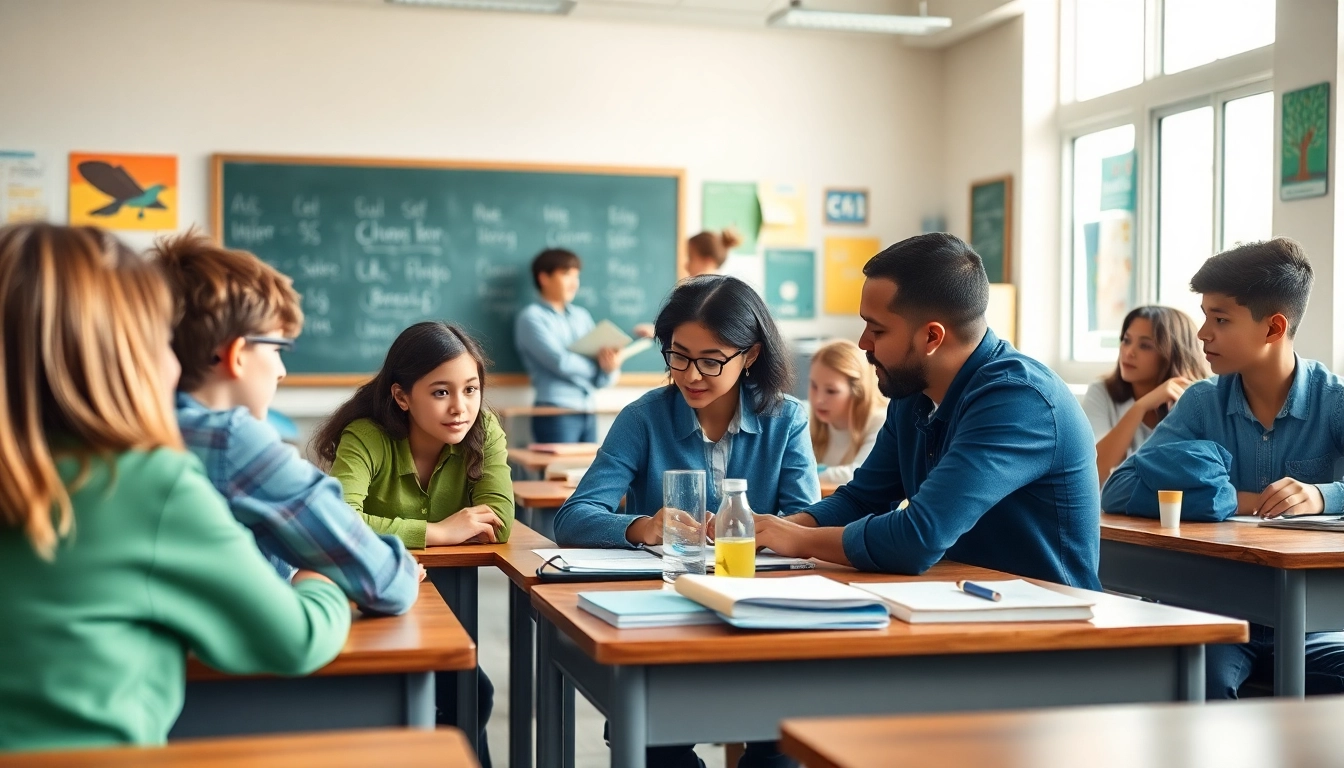
Understanding the Foundations of Education
Education is a fundamental building block of society, shaping individuals and communities alike. It is a powerful instrument through which knowledge, skills, and cultural values are transmitted from one generation to the next. In an evolving landscape where the demands of the job market and personal development are ever-changing, it becomes crucial to examine the roots and relevance of education in our lives today. Through a comprehensive exploration of education, including its significance, varied theories, and foundational elements, we can better understand how to foster effective learning environments. Engaging in Education also allows us to actively shape the future of generations to come.
What is Education?
Education encompasses a wide array of processes and practices aimed at developing knowledge, skills, and values in individuals. Generally defined as the systematic instruction provided by teachers in schools or similar institutional settings, education also includes informal methods employed in everyday life. From birth through adulthood, education facilitates personal growth, vocational preparation, and the socialization necessary for citizenship. Education is not merely a subject to be studied but an essential human right that empowers individuals and fosters community cohesion.
The Importance of Early Education
Early education plays a critical role in shaping a child’s cognitive, social, and emotional development. Research shows that experiences in the early years can significantly influence a child’s later academic performance and overall wellbeing. Programs that emphasize early childhood education focus on a child-centered approach, nurturing curiosity and engagement. The role of caregivers and educators is paramount during this stage, as they provide emotional support, language exposure, and stimulating environments that foster exploration. Ensuring access to quality early education is key to addressing inequities and setting children on paths for success.
Diverse Learning Theories
As the field of education has evolved, numerous learning theories have emerged, each contributing unique insights into how people learn. Understanding these theories can enhance teaching practices and improve student outcomes. Key learning theories include:
- Behaviorism: Focuses on observable behaviors and the ways in which they can be shaped through reinforcement and punishment.
- Cognitivism: Emphasizes the mental processes involved in learning, such as memory, problem-solving, and understanding.
- Constructivism: Suggests that learners build knowledge through experiences and interactions, promoting active participation and collaborative learning.
- Humanism: Stresses the importance of personal growth and self-directed learning, highlighting emotional aspects of education.
By integrating elements from these diverse theories, educators can create adaptive learning environments that cater to the varied needs of students.
Challenges in Modern Education
Addressing Educational Inequities
Despite the recognized importance of education, significant challenges persist in achieving equity in access and quality. Social and economic disparities can create barriers that prevent underprivileged students from receiving a quality education. Addressing educational inequities requires a multifaceted approach that includes policy interventions, community support, and tailored educational strategies. It is vital to invest in resources for schools situated in disadvantaged areas, provide targeted support for at-risk students, and engage families in the educational process. Strategies might include scholarship programs, mentorship opportunities, and community outreach initiatives to foster a culture of learning.
The Digital Divide in Education
As technology rapidly integrates into educational settings, the digital divide has emerged as a pressing issue. Students in low-income households often lack access to necessary digital devices and reliable internet connectivity, creating disparities in learning opportunities. In light of the increasing reliance on technology for educational engagement, it is essential to address these challenges through policy initiatives focused on improving access to technology. Solutions may include enhancing infrastructure in underserved communities, providing low-cost devices to students, and creating platforms for interactive online learning. Closing the digital divide not only promotes educational equity but also prepares students for a technology-driven workforce.
Supporting Diverse Learning Needs
The diversity of learners in modern classrooms presents both challenges and opportunities. Students come from various backgrounds, possess different learning styles, and may have unique educational needs. Schools must embrace this diversity by implementing inclusive teaching practices and providing appropriate accommodations for all learners. Differentiated instruction, personalized learning plans, and cooperative learning strategies can effectively engage diverse student populations. Providing professional development for educators on cultural competency, adaptive teaching methods, and special education needs also fosters an inclusive learning environment.
Innovative Teaching Techniques
Project-Based Learning
Project-Based Learning (PBL) is an instructional approach that encourages students to explore real-world problems and challenges by engaging in projects. This method promotes critical thinking, collaboration, and experiential learning, engaging students in ways traditional methods might not. Through PBL, students learn to apply knowledge in practical contexts, fostering deeper understanding and retention. Successful implementation of PBL includes defining clear objectives, allowing for student choice, and providing ongoing feedback throughout the process.
Flipped Classrooms Explained
The flipped classroom model reverses traditional teaching practices by introducing students to new material outside of class, usually through video lectures or readings, and dedicating class time to active engagement and application of knowledge. This approach allows for personalized learning, as students can learn at their own pace, revisit content, and use class time for discussions and hands-on activities. The effectiveness of flipped classrooms relies on careful planning, ensuring that resources are readily available, and creating an interactive classroom atmosphere that encourages participation.
Incorporating Technology in Education
Technology has the potential to transform educational practices and enhance learning experiences. Utilizing educational technology tools—like learning management systems, interactive applications, and virtual reality—can facilitate personalized learning, streamline assessment, and foster collaboration among students. Educators must remain informed about emerging technologies and understand how to best integrate them into their curricula. Training for teachers and ongoing technical support are essential components in successfully incorporating technology into education.
Engaging Students and Parents
Building Strong Student-Teacher Relationships
The relationship between students and teachers plays a significant role in the learning process. Strong connections foster trust, belonging, and motivation in students. Educators can build these relationships by employing strategies such as showing genuine interest in students’ well-being, maintaining open lines of communication, and providing consistent support. Furthermore, utilizing restorative practices can help manage conflicts and promote a positive classroom environment. Creating a safe and nurturing atmosphere is vital for maximizing student engagement and learning.
Parent Involvement in Education
Engaging parents in their children’s education has been shown to significantly enhance student success. Active participation can take many forms, such as volunteering in the classroom, attending school events, or communicating regularly with teachers. Schools can foster parent involvement by organizing workshops that educate families on the curricula and effective ways to support their children’s learning at home. Building a strong partnership between parents and educators creates a supportive community centered around the academic growth of students.
Encouraging Lifelong Learning
The concept of lifelong learning emphasizes the importance of continuing education beyond formal schooling. This mindset encourages individuals to seek out learning opportunities throughout their lives for personal and professional development. Communities and educational institutions can support lifelong learning through adult education programs, workshops, and online courses. Providing access to resources for self-directed learning, fostering curiosity, and promoting the value of inquiry will motivate individuals to embrace continuous growth.
Measuring Success in Education
Assessing Student Engagement
Measuring student engagement is essential for understanding the effectiveness of educational strategies and identifying areas for improvement. Combining qualitative and quantitative approaches can offer insights into how engaged students are with their learning. Techniques may include surveys, observation checklists, and feedback mechanisms that encourage students to express their thoughts on the learning process. By gathering and analyzing data on student engagement, educators can adapt their practices to meet the needs and preferences of their learners.
Evaluating Educational Outcomes
Assessing educational outcomes provides insight into the effectiveness of teaching methods and educational initiatives. Evaluations can include standardized tests, formative assessments, and performance tasks that gauge academic proficiency and skill development. While summative assessments offer snapshots of learning, formative assessments allow for ongoing adjustments throughout the educational journey. Using a combination of assessment methods correlates with standardized benchmarks ensures a comprehensive understanding of student success.
Strategies for Continuous Improvement
Continuous improvement in educational practices is vital to fostering effective learning environments. Schools and educators should engage in regular reflection and self-assessment, utilizing feedback from students, parents, and colleagues to identify strengths and weaknesses. Professional development opportunities should focus on innovative teaching strategies, culturally relevant pedagogy, and advancements in educational research. Collaborative planning and sharing successful practices among educators can stimulate growth and enhance the overall learning experience for all students.